Ancient Board Games: Strategy in African Cultures
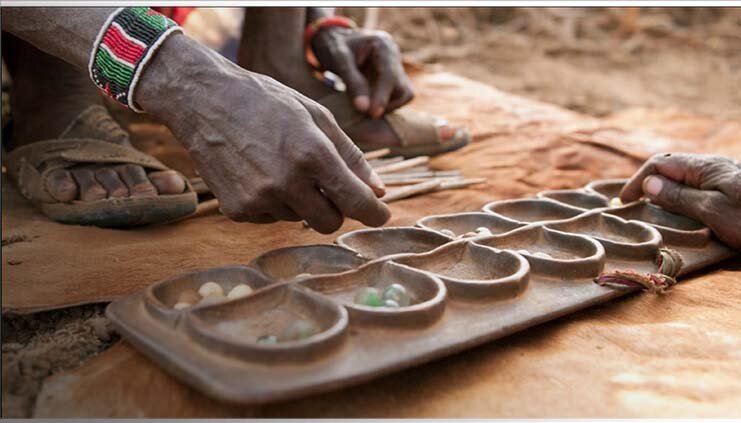
African civilizations developed sophisticated board games requiring strategic thinking, mathematical calculation, and forward planning centuries before similar games emerged elsewhere. These intellectual contests demonstrate that African athletic traditions encompassed mental as well as physical competition, with board games receiving cultural respect comparable to wrestling or running. The complexity of traditional African board games challenges misconceptions about African intellectual traditions, revealing sophisticated strategic systems passed through generations.
Historical Development
The earliest evidence of African board games comes from ancient Egypt, where Senet boards dating to 3500 BCE have been discovered in archaeological sites. This race game involved moving pieces according to stick throws, combining chance and strategy in ways that influenced later game development. The game's religious significance—believed to represent the soul's journey through the afterlife—demonstrates how ancient Africans integrated intellectual pursuits with spiritual beliefs.
Mancala games emerged in the Horn of Africa, with archaeological evidence from Axum in Ethiopia dating to the 6th-7th centuries CE, though the games likely developed much earlier. The simplicity of creating Mancala boards by digging holes in the ground meant the games could spread rapidly without requiring specialized equipment. This accessibility allowed Mancala to proliferate across Africa, with each region developing unique variants reflecting local preferences and innovations, as detailed in Mancala games analysis.
Regional Variations
West African Oware, East African Bao, and Southern African Morabaraba each represent distinct strategic traditions, though connections exist suggesting historical exchanges. Oware's capture mechanics require players to carefully count seeds while anticipating opponent moves several turns ahead. Bao's four-row complexity creates even deeper strategic challenges, with mastery requiring years of dedicated study. Morabaraba uses a different board structure entirely, resembling European Nine Men's Morris but with unique African innovations.
These variations demonstrate African cultures' creative adaptations of gaming concepts to local preferences. Rather than simply adopting foreign games, African societies developed original strategic systems or substantially modified borrowed concepts. The diversity of African board games mirrors the continent's cultural diversity, with each tradition contributing to a rich gaming heritage that collectively represents sophisticated intellectual achievement.
Social Functions
Board games served important social functions in African communities, providing entertainment accessible to all ages and social classes. Unlike physical sports favoring youth and strength, board games allowed elderly players to compete equally with younger opponents, with experience often trumping youthful energy. This inclusive nature made board games important social lubricants, facilitating interaction across generational divides.
Strategic games also functioned as educational tools, teaching children mathematical concepts, logical thinking, and patience. Elders used game instruction as opportunities to impart wisdom, with strategic principles offering metaphors for life decisions. The one-on-one nature of most board games created intimate teaching contexts where knowledge transmission occurred naturally through play rather than formal instruction.
Status and Competition
Exceptional board game players earned respect comparable to physical athletes, with their mental prowess celebrated in songs and stories. Some African courts maintained master players who competed for royal entertainment, with victories bringing material rewards and elevated social status. This institutionalization of competitive board gaming in royal contexts demonstrates that African societies valued intellectual athletics alongside physical combat sports.
Inter-community competitions fostered friendly rivalries, with villages sending their best players to regional contests. These tournaments created opportunities for social interaction between communities while showcasing local talent. The competitive structure of traditional board gaming mirrors physical sports, with similar emphases on practice, skill development, and pursuit of excellence through dedicated effort.
Preservation and Revival
Colonial disruption and modernization threatened many traditional board game traditions, as Western games like chess and checkers gained prestige while indigenous games were sometimes dismissed as primitive. However, contemporary revival movements recognize traditional board games as valuable cultural heritage deserving preservation and promotion. Organizations document game rules, organize tournaments, and introduce traditional games in educational settings.
Modern technology enables new forms of traditional game practice, with mobile apps and online platforms allowing remote competition. While some purists object to digital adaptations, others view technology as essential for attracting younger generations to traditional games. The debate mirrors broader tensions in traditional sports preservation between maintaining authentic forms and adapting to ensure continued relevance, as discussed in digital documentation efforts.