Donkey Racing: Traditional Transport Sport
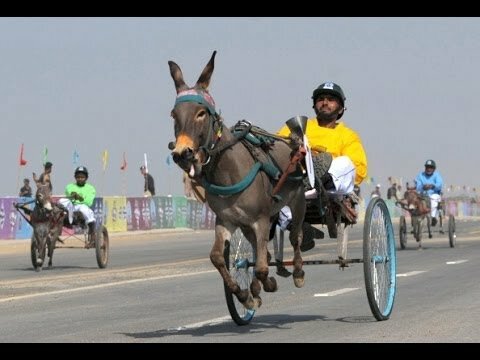
Donkey racing represents a distinctive African sporting tradition where working animals that serve as essential transportation and labor assets also participate in competitive racing events. Practiced across various African regions from Kenya to Nigeria, these races blend practical animal husbandry with athletic competition, creating unique festivals that celebrate the importance of donkeys in rural economies while providing community entertainment.
Cultural Context
In many African communities, particularly in arid and semi-arid regions, donkeys serve as crucial transport animals for carrying goods, water, and people. These hardy animals can traverse difficult terrain where vehicles cannot operate and require minimal resources compared to horses or camels. Given their economic importance and constant presence in daily life, communities naturally developed competitive events featuring their working donkeys.
Donkey racing often occurs during harvest festivals, religious celebrations, or market days when communities gather for social interaction. Unlike commercial horse racing with its gambling culture, donkey races typically emphasize participation and entertainment over serious wagering. The events create opportunities for farmers to showcase their animals while providing comedic entertainment, as donkeys' notoriously stubborn temperament can produce unpredictable and amusing race outcomes.
Racing Formats and Rules
Traditional donkey races vary by region but typically feature straightforward formats. Riders mount their donkeys at a starting line and race toward a finish point, with the first to cross winning. Distances range from short sprints of 100 meters to longer races exceeding a kilometer. Some events feature mounted races where riders control their donkeys, while others involve handlers running alongside and guiding their animals.
Rules generally prohibit excessive force or cruelty toward animals, with communities enforcing welfare standards through social pressure and sometimes formal regulations. Riders are usually children or lightweight adults, as donkeys cannot carry heavy loads at racing speed. The emphasis remains on fun rather than intense competition, though winners certainly enjoy bragging rights and sometimes modest prizes.
Regional Variations
Kenyan coastal communities, particularly around Lamu Island, have developed organized donkey racing with annual events attracting participants from surrounding areas. These races have gained tourist attention, with visitors enjoying the spectacle of decorated donkeys and enthusiastic riders competing through narrow streets. The Lamu races have evolved into multi-day festivals featuring various donkey competitions including beauty contests judging animal grooming and decoration.
Nigerian communities in the northern regions practice donkey racing during Durbar festivals, traditional celebrations marking important Islamic holidays. These races occur alongside horse displays and other ceremonial activities, integrating donkey competitions into broader cultural celebrations. The inclusion of working animals in royal festivals demonstrates their respected status within societies dependent on animal labor.
Ethiopian and Eritrean highlands host donkey races during religious festivals and market gatherings. Mountain terrain creates challenging race courses testing both animal endurance and rider control. Winners gain recognition for possessing superior animals, potentially increasing the breeding value of their donkeys and providing economic benefits beyond mere prestige.
Animal Welfare Considerations
Modern animal welfare advocates have raised concerns about donkey racing practices, particularly when events attract tourist attention and commercial pressures. Organizations working in African communities promote humane treatment standards, educating owners about proper care and training methods that ensure animals remain healthy while participating in races.
Responsible event organizers implement veterinary checks before races, distance limits appropriate for donkey physiology, and penalties for abusive treatment. These measures address legitimate welfare concerns while preserving cultural traditions that strengthen human-animal bonds and community cohesion. When properly regulated, donkey racing can demonstrate respect for working animals rather than exploitation.
Economic and Social Impact
Donkey racing festivals generate economic activity in rural areas with limited entertainment options. Visitors spend money on food, accommodations, and local products, providing income for host communities. The events also strengthen social networks, bringing together people from dispersed settlements for shared celebration. This community-building function makes donkey racing valuable beyond its entertainment value.
For children in rural areas, donkey racing provides accessible athletic participation that doesn't require expensive equipment or facilities. Learning to handle racing donkeys teaches animal care, responsibility, and sportsmanship. These educational aspects position donkey racing as beneficial youth activity, though modernization and urbanization continue reducing the number of young people with access to and interest in such traditional pursuits.
Tourism interest in authentic cultural experiences has elevated some donkey racing events into attractions marketed to international visitors. This attention brings resources but also risks of commercialization that could distort traditions to meet tourist expectations. Balancing economic opportunity with cultural authenticity challenges organizers, similar to issues facing other traditional African sports experiencing tourism-driven transformation.