Tourism and Traditional Sports: Cultural Experiences
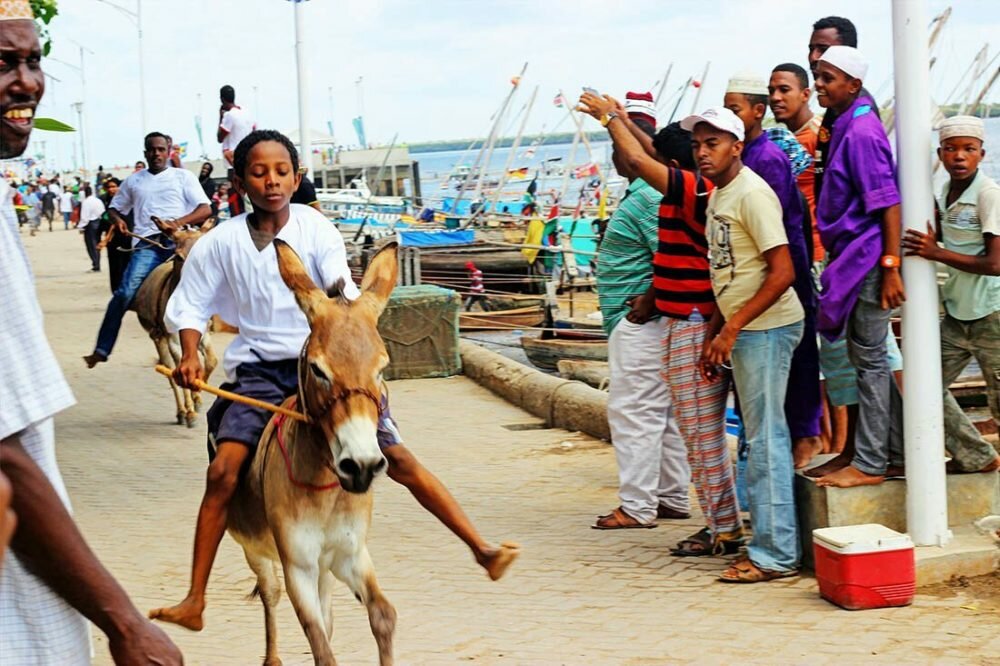
Traditional African sports increasingly feature in cultural tourism offerings, with visitors seeking authentic experiences beyond conventional wildlife safaris and beach holidays. Watching traditional wrestling matches, learning ancient board games, or observing ceremonial athletic performances provides tourists with intimate cultural encounters while generating economic benefits for communities maintaining these traditions. This tourism integration creates both opportunities and challenges, as communities balance economic incentives against risks of commodifying sacred cultural practices for external consumption.
Tourism Product Development
Tourism operators package traditional sports as experiential products, offering tourists opportunities to attend competitions, meet athletes, and sometimes participate in training sessions. These experiences command premium prices from tourists seeking authentic cultural engagement rather than passive observation. Well-designed programs provide meaningful cultural education while compensating communities fairly for sharing their heritage, creating sustainable income streams supporting tradition preservation.
Senegal's tourism industry heavily promotes Laamb wrestling matches as signature cultural attractions, with tour operators arranging stadium visits, VIP seating, and pre-match ceremony attendance. The wrestling tourism generates significant revenue while showcasing Senegalese culture to international audiences, potentially increasing global interest in African sports. Similar developments occur with Zulu dance performances in South Africa and various cultural festivals across the continent featuring traditional athletics alongside other heritage practices.
Cultural Authenticity vs. Commercial Demands
Tourism creates tensions between maintaining cultural authenticity and adapting performances to tourist expectations and schedules. Tourists may prefer condensed, easily digestible experiences rather than lengthy traditional ceremonies. Commercial pressures encourage modifications making sports more photogenic, entertaining, or convenient for tourist itineraries, potentially distorting practices to meet external preferences rather than reflecting genuine cultural expressions.
Communities navigate these tensions differently, with some strictly maintaining traditional forms regardless of tourist preferences while others create modified tourism versions alongside authentic practices for community consumption. This dual approach allows economic benefit from tourism without corrupting traditions used in genuine cultural contexts. However, maintaining separate authentic and tourist versions requires discipline, as commercial tourism versions sometimes gradually influence supposedly authentic community practices through economic incentives favoring tourist-friendly adaptations.
Economic Benefits and Community Development
Tourism revenue from traditional sports provides tangible economic benefits justifying preservation investments. Communities earning income from cultural tourism have financial incentives to maintain traditions, aligning economic self-interest with cultural preservation. These revenues sometimes exceed what communities could earn through alternative economic activities, making tradition maintenance economically rational rather than costly cultural burden draining resources from survival needs.
However, tourism benefits distribution remains contentious, with questions about who profits from cultural commodification. Ensuring equitable benefit sharing requires careful attention to revenue distribution, with communities maintaining control over how tourism income is allocated. External tourism operators sometimes capture most profits, leaving communities with minimal compensation while bearing costs of hosting tourists and cultural commodification. Ethical tourism models prioritize community benefit, structuring arrangements ensuring fair compensation for cultural knowledge shared with visitors.
Educational Tourism Approaches
Some tourism programs emphasize educational dimensions, positioning traditional sports experiences as learning opportunities rather than mere entertainment. These approaches include detailed cultural context explanations, opportunities to interact with knowledgeable community members, and sometimes hands-on instruction allowing tourist participation. Educational tourism potentially creates more meaningful cross-cultural understanding than superficial spectacle consumption, benefiting both tourists and host communities through genuine exchange.
Universities and educational travel companies organize study tours focusing on traditional African sports as windows into broader cultural systems. These programs bring students and researchers generating academic interest alongside tourist revenue, creating scholarly attention that may support preservation efforts through documentation and advocacy. The combination of educational and economic benefits makes such programs particularly valuable, as discussed in digital documentation initiatives often linked to educational institutions.
Diaspora Tourism
African diaspora populations increasingly seek cultural tourism experiences reconnecting them with ancestral heritage. Traditional sports provide powerful identity markers for diaspora visitors exploring roots and learning about cultures their families left generations ago. These heritage tourists often demonstrate deeper interest in cultural contexts than general tourists, asking detailed questions and seeking authentic rather than performative experiences.
Diaspora tourism creates particularly meaningful exchanges, as visitors and hosts share cultural connections despite geographical separation. Communities sometimes view diaspora tourists as lost family returning home rather than foreign outsiders, creating warmer reception and more intimate sharing than occurs with non-African tourists. These special relationships make diaspora tourism valuable for cultural preservation by strengthening global networks of people invested in African heritage maintenance, creating international constituencies supporting preservation efforts.
Sustainable Tourism Models
Developing sustainable tourism around traditional sports requires careful planning preventing cultural commodification and over-commercialization. Successful models limit tourist numbers to levels communities can absorb without disruption, ensure community control over tourism development, and maintain clear boundaries between tourist performances and authentic community practices. These sustainability principles protect cultural integrity while allowing economic benefits motivating continued tradition maintenance.
Some communities adopt certification systems identifying ethical tour operators meeting cultural respect and fair compensation standards, helping tourists choose responsible providers. These quality controls protect communities from exploitative tourism while building industry reputations for authentic, respectful experiences justifying premium pricing. The certification approaches mirror broader sustainable tourism movements seeking to align economic development with environmental and cultural preservation rather than pursuing growth regardless of social and ecological costs, as explored in conservation-oriented sports initiatives.