Pan-African Traditional Sports Festivals
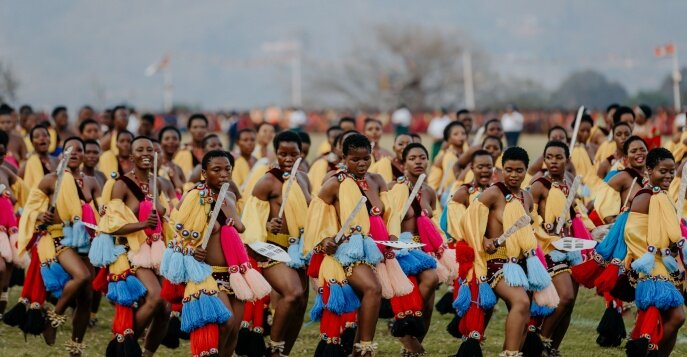
Pan-African traditional sports festivals bring together indigenous athletic traditions from across the continent, creating showcases for cultural heritage while fostering continental unity. These events feature wrestling, stick fighting, board games, and other traditional sports, allowing athletes from different nations to compete and exchange knowledge. By celebrating shared African heritage while respecting regional diversity, these festivals promote cultural pride and African identity in an era where globalization threatens to homogenize world cultures.
Festival Organization and Structure
Major pan-African sports festivals typically occur biennially, hosted by different countries on rotating basis. Events include competitive tournaments in various traditional sports alongside cultural performances, craft exhibitions, and educational programs about African heritage. This comprehensive approach positions traditional sports within broader cultural contexts, helping audiences understand athletics as integral components of African civilizations rather than isolated practices.
The African Union and UNESCO have supported these festivals as vehicles for promoting African cultural heritage and youth engagement. Government backing provides resources and legitimacy, though funding remains challenging given competing priorities in developing nations. Private sponsors increasingly participate, recognizing festivals as opportunities to demonstrate commitment to African culture while reaching diverse audiences. This public-private partnership model mirrors successful approaches in professional wrestling and other commercialized traditional sports.
Competitive Events
Wrestling competitions typically dominate pan-African festivals, with different styles featured including Senegalese Laamb, Nigerian Dambe, and various regional wrestling traditions. Athletes compete both within their specific styles and sometimes in modified unified rulesets allowing cross-style competition. These matches demonstrate technical similarities and differences across African wrestling traditions, educating audiences about continental athletic diversity.
Board game tournaments feature Mancala variants, Morabaraba, and other strategic games, with masters from different regions competing and sharing variations. Stick fighting demonstrations showcase martial traditions, though full-contact competitions face safety concerns requiring careful regulation. Running races, spear throwing, and other athletic events round out programming, creating diverse festivals appealing to varied interests while comprehensively representing African sporting heritage.
Cultural Exchange and Knowledge Sharing
Beyond competition, festivals facilitate cultural exchange between participants from different African nations. Athletes and cultural practitioners share techniques, stories, and traditions, creating networks connecting people committed to preserving African heritage. These exchanges build pan-African solidarity while allowing participants to learn about traditions beyond their own communities, enriching understanding of continental diversity.
Workshops and seminars during festivals address preservation challenges, sharing successful approaches and discussing solutions to common problems. Cultural practitioners dealing with similar issues—urbanization threatening traditional practice spaces, youth disinterest, competing modern entertainment—learn from each other's experiences. This collaborative problem-solving strengthens traditional sports movements across Africa, building collective capacity to address threats to cultural heritage.
Youth Engagement
Festivals prioritize youth participation, recognizing that sustaining traditional sports requires engaging younger generations. Youth tournaments, training workshops, and mentorship programs connect young people with traditional sports and experienced practitioners. By demonstrating that traditional athletics remain relevant and exciting, festivals combat perceptions that African heritage consists of obsolete practices unsuited to modern life.
Some festivals include educational components where students learn about traditional sports' historical and cultural contexts. These programs integrate athletics with broader heritage education, helping youth understand traditional sports as expressions of African intellectual and physical achievements. This educational approach positions traditional sports as sources of pride rather than embarrassing vestiges of "primitive" pasts, countering negative colonial-era narratives about African culture.
Media Coverage and Public Impact
Pan-African festivals receive coverage from continental media networks including Pan-African News Agency and various national broadcasters, exposing traditional sports to audiences who might never attend in person. This media attention raises profiles of traditional sports and demonstrates their viability as entertainment products capable of attracting substantial audiences. Increased visibility helps traditional sports compete for attention and resources against imported sports dominating African media landscapes.
Social media amplifies festival impact, with athletes and attendees sharing content reaching millions across Africa and globally. Viral videos of impressive athletic performances introduce traditional sports to international audiences, generating curiosity and sometimes inspiring diaspora communities to organize their own cultural sports events. This digital dissemination extends festivals' influence far beyond physical attendance, creating ongoing conversations about African cultural heritage and athletic traditions, similar to dynamics discussed in digital documentation initiatives.