Ritual Games: Spiritual Significance in Traditional Sports
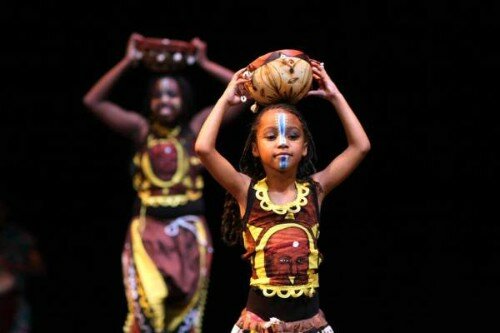
Traditional African sports often transcend mere physical competition, functioning as sacred rituals connecting communities to spiritual realms. Athletic performances frequently occur within religious contexts, with outcomes interpreted as messages from ancestors or deities. This integration of spirituality and athletics creates sporting traditions where physical prowess demonstrates not just bodily strength but spiritual favor, making success in competition a validation of one's relationship with the supernatural world.
Ancestral Connections
Many African societies believe ancestors maintain active interest in their descendants' affairs, intervening in important events including athletic competitions. Competitors seek ancestral blessings through offerings and prayers before matches, believing spiritual support enhances physical performance. Winning validates the athlete's proper relationship with ancestors, while defeat sometimes indicates spiritual displeasure requiring corrective rituals.
Senegalese wrestlers consult marabouts (spiritual leaders) who provide protective amulets and perform ceremonies invoking spiritual power. These pre-fight rituals can last hours, with wrestlers dancing, chanting, and receiving blessings as essential preparation as physical training. The spiritual dimension makes Laamb wrestling as much religious performance as athletic competition, with mystical preparation inseparable from technical skill.
Harvest and Seasonal Celebrations
Agricultural societies throughout Africa schedule major sporting events around harvest cycles, integrating athletics into thanksgiving ceremonies expressing gratitude for successful crops. Wrestling tournaments, running races, and other competitions during harvest festivals honor the spirits or deities believed responsible for agricultural abundance. Community participation in these sporting rituals reinforces collective religious identity while celebrating economic prosperity.
The timing of these events follows agricultural calendars rather than arbitrary sporting seasons, embedding athletics within natural cycles governing community survival. This connection to agricultural rhythms gives traditional African sports different cultural significance than modern sports divorced from subsistence activities. Athletes competing in harvest festivals understand themselves as participants in sacred celebrations, not mere entertainers or competitors pursuing personal glory.
Initiation Rites
Athletic challenges frequently form components of initiation ceremonies marking transitions between life stages, particularly boys' progression to manhood. Successfully completing physical tests demonstrates readiness for adult responsibilities while proving the initiate's spiritual maturity. These initiation rites blend athletic competition with religious ceremony, making physical performance a sacred act validating social status change.
Among Maasai communities, young warriors demonstrate their status through jumping competitions during the Eunoto ceremony, which marks their transition from warrior to elder status. The athletic performance occurs within elaborate religious rituals involving animal sacrifices, blessings from elders, and spiritual preparation. The jumping ability displayed reflects not just physical conditioning but spiritual readiness for new social responsibilities, making the athletic dimension inseparable from religious context.
Divination and Spiritual Communication
Some African societies interpret sporting competition outcomes as forms of divination, where results reveal spiritual truths about participants or communities. A champion's victory might indicate divine favor suggesting they should assume leadership roles, while unexpected defeats could warn of spiritual problems requiring attention. This belief system transforms athletics into communication channels with supernatural forces, making games sacred practices rather than secular entertainment.
Wrestling matches between representatives of different villages sometimes function as spiritual contests between communities' protective spirits, with outcomes determining which group enjoys superior supernatural support. These beliefs elevate athletic competition beyond individual skill, making sporting events tests of collective spiritual health. The practice demonstrates how traditional African sports integrate multiple cultural functions simultaneously, serving recreational, social, and religious purposes within single events.
Sacred Spaces and Ritual Preparation
Traditional sporting events often occur in locations considered spiritually significant, such as near shrines, sacred trees, or ancestral burial grounds. These settings emphasize the religious dimension of athletic competitions, transforming ordinary physical spaces into sacred grounds during sporting events. Participants undergo ritual purification before entering these spaces, following protocols ensuring spiritual propriety alongside physical readiness.
Pre-competition rituals vary by culture but commonly include animal sacrifices, libations to ancestors, and prayers led by religious specialists. These ceremonies seek spiritual protection for participants while requesting fair outcomes pleasing to supernatural observers. The elaborate nature of ritual preparation reflects beliefs that spiritual dimensions outweigh physical factors in determining competitive success, making religious observance as important as training for athletes seeking victory.
Modern Tensions
Contemporary African athletes often navigate tensions between traditional spiritual practices and modern religious or secular values. Some athletes maintain traditional rituals despite conversions to Christianity or Islam, viewing ancestral practices as cultural rather than religious. Others abandon traditional ceremonies entirely, considering them incompatible with new faiths. These negotiations demonstrate how religious change affects traditional sports, sometimes threatening their continuation by removing spiritual contexts that gave them meaning.
Efforts to preserve traditional sports must address spiritual dimensions that many contemporary Africans find problematic. Some revival programs secularize traditional sports, removing religious elements to make them acceptable to diverse modern populations. This approach preserves physical traditions while abandoning spiritual contexts, creating debates about authenticity and whether sports divorced from original religious meanings remain genuinely traditional. These challenges affect many traditional practices as discussed in community-led revival movements.