Community-Led Revival Movements
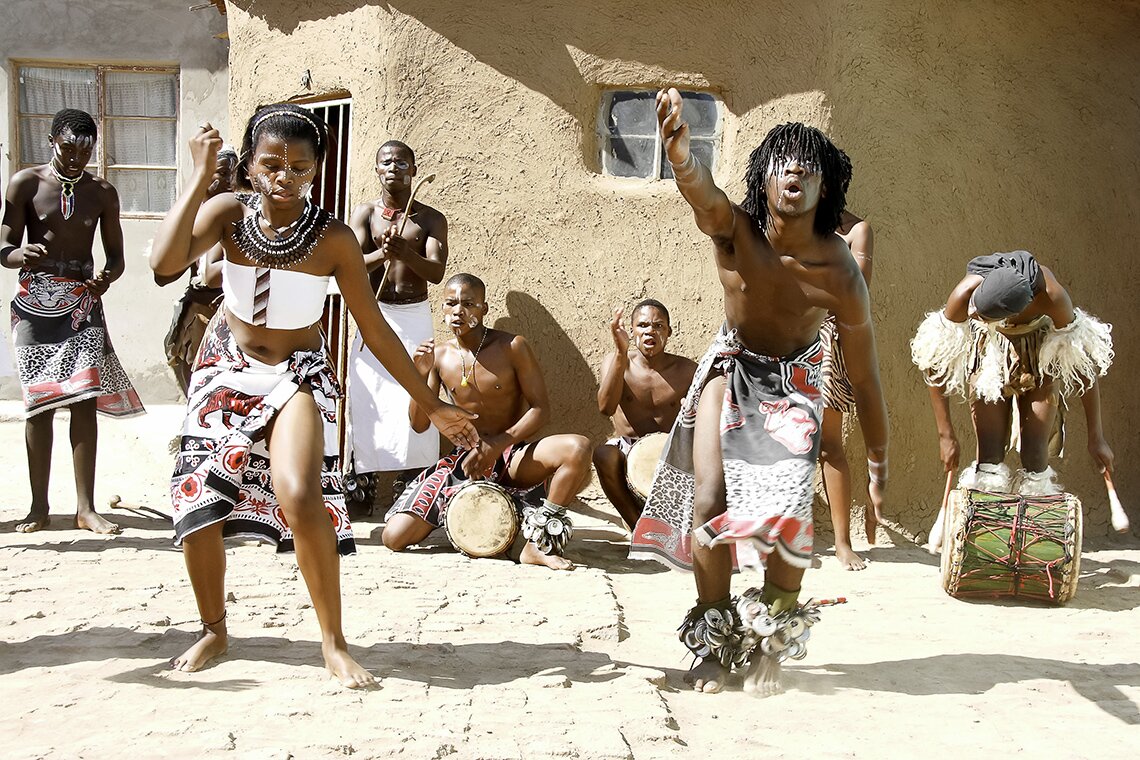
Grassroots community movements drive much traditional African sports revival, with local organizers creating programs preserving athletic heritage without waiting for government or institutional support. These community-led efforts demonstrate African agency in cultural preservation, contradicting narratives positioning Africans as passive recipients of external preservation initiatives. By taking responsibility for their own heritage, communities ensure revival efforts reflect authentic cultural priorities rather than external agendas that may misunderstand or misrepresent traditional practices.
Organic Community Organization
Many revival movements begin informally when concerned community members notice traditional sports declining and organize preservation efforts. Elders teach willing youth, informal competitions restart, and community gatherings begin featuring traditional athletics. These organic initiatives emerge from genuine cultural commitment rather than bureaucratic mandates, creating authentic engagement grounded in lived cultural connections rather than abstract preservation goals.
Community organizers often work with minimal resources, using volunteer labor, donated materials, and crowd-sourced funding. Despite resource limitations, grassroots efforts achieve remarkable results through dedication and cultural authenticity. Participants invest effort not for payment but from genuine desire to preserve ancestral traditions, creating sustainable commitment independent of external funding that might prove temporary or conditional on requirements distorting cultural practices.
Cultural Center Development
Some communities establish cultural centers serving as hubs for traditional sports activities. These venues provide dedicated spaces for training, competitions, and cultural education, creating institutional anchors for revival movements. Centers offer regular programming including youth training, elder teaching sessions, and community competitions, maintaining consistent engagement rather than sporadic events easily forgotten between occurrences.
Cultural centers also create visibility for traditional sports, with physical presence signaling community commitment to cultural preservation. The centers often house libraries, archives, and exhibition spaces documenting local athletic heritage, functioning as museums and research centers alongside active sporting venues. This combination of preservation and practice ensures traditions remain living culture rather than fossilized artifacts disconnected from contemporary life, similar to approaches discussed in digital documentation efforts.
Intergenerational Programs
Successful community revivals emphasize intergenerational knowledge transmission, creating programs where elders teach youth while maintaining elder authority as cultural knowledge holders. This approach respects traditional learning systems where experience and age command respect, contrasting with modern educational models emphasizing formal credentials over lived knowledge. By honoring elders as teachers, programs reinforce broader cultural values beyond mere technical sports instruction.
Intergenerational programs also address youth disengagement by making cultural learning social activities where young people connect with respected community members. The personal relationships formed during training create social bonds encouraging continued participation even when initial novelty wears off. These relationships embed sports learning within broader community networks, making athletics inseparable from social belonging and cultural identity.
Festival Organization
Community organizers plan festivals celebrating traditional sports, creating annual or periodic events that become anticipated community traditions. These festivals attract participants from surrounding areas, creating regional networks of practitioners who exchange knowledge and compete. The festivals generate community pride, demonstrating to outsiders the vitality and value of local cultural traditions while reinforcing insiders' appreciation for their heritage.
Festival organization requires substantial volunteer effort including securing venues, coordinating participants, fundraising, and managing logistics. Successful festivals demonstrate community organizing capacity, often building confidence and skills applicable to other community development initiatives. The festivals thus serve multiple purposes: preserving sports, building social capital, and creating community organizing experience valuable for broader social and economic development efforts beyond cultural preservation.
Challenges and Resilience
Community-led movements face significant challenges including funding limitations, competing time demands on volunteers, and sometimes lack of technical expertise in areas like media production or organizational administration. Burnout threatens initiatives dependent on small groups of dedicated organizers, with programs sometimes collapsing when key individuals can no longer sustain volunteer commitments alongside employment and family responsibilities.
Despite challenges, community movements demonstrate remarkable resilience, adapting strategies when initial approaches prove unsustainable. Failed initiatives yield learning informing subsequent attempts, with communities developing increasingly sophisticated organizing strategies through trial and error. This adaptive capacity reflects the same flexibility that enabled traditional African societies to maintain cultural practices through centuries of change, demonstrating that cultural resilience remains alive in contemporary African communities facing different but equally challenging contexts.
External Partnership Models
Some community movements partner with external organizations including NGOs, universities, and government agencies, accessing resources while maintaining community control over program direction. Successful partnerships respect community authority while providing technical and financial support enabling broader impact than purely grassroots efforts alone. These collaborations demonstrate that community leadership and external support need not conflict when partnerships are structured equitably with genuine community consultation.
Partnership models vary from informal relationships where communities accept occasional support to formalized collaborations with written agreements defining roles and responsibilities. The most successful partnerships ensure community voices dominate decision-making despite external partners providing resources, preventing mission drift where programs gradually serve funder priorities rather than community needs. These partnership principles apply across cultural preservation efforts, relevant to government programs and corporate sponsorships seeking to support rather than co-opt community initiatives.