Traditional Spear Throwing Competitions
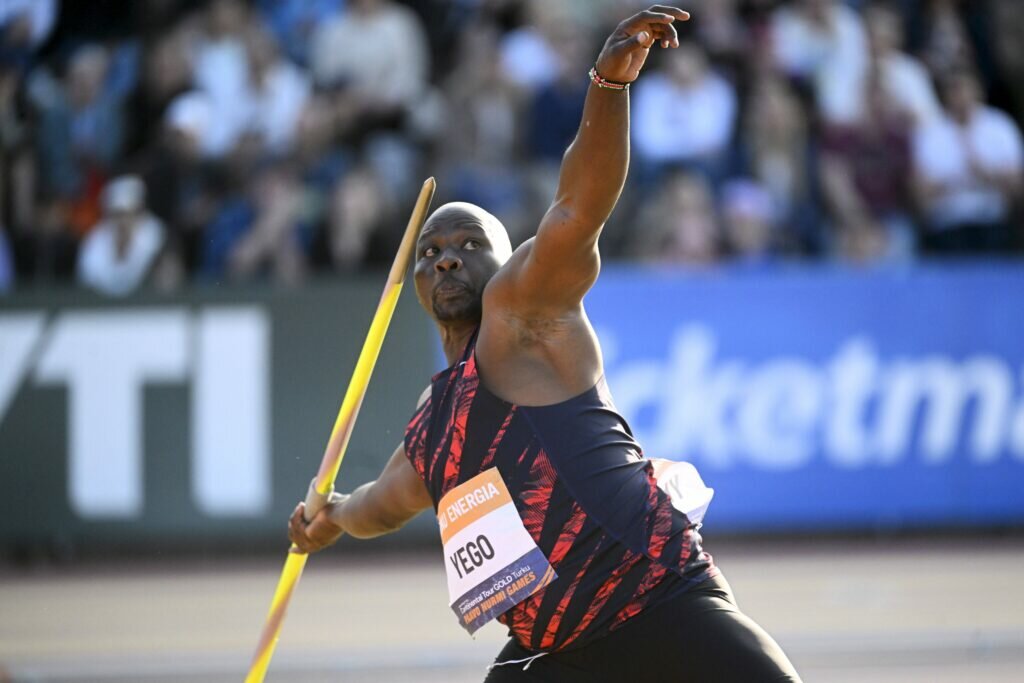
Spear throwing has been practiced across Africa for millennia, initially as essential hunting and warfare skills before evolving into competitive sporting events. Different regions developed distinct throwing techniques and competition formats, reflecting the diverse cultural contexts in which these traditions emerged. From the Maasai of East Africa to the Zulu of Southern Africa, spear competitions have tested accuracy, distance, and technique across generations.
Historical Development
Archaeological evidence suggests spear technology in Africa dates back hundreds of thousands of years, with throwing techniques refined through continuous use in hunting large game. As communities developed, young men would compete to demonstrate their hunting prowess, with the most accurate throwers earning status as providers and protectors. These informal competitions gradually formalized into structured events held during festivals and ceremonial gatherings.
Different ethnic groups developed specialized spear designs suited to their environments and prey animals. Lightweight throwing spears for distance, heavier spears for penetration, and balanced spears for accuracy all required distinct throwing techniques. Communities would hold competitions featuring various spear types, testing athletes' versatility and adaptability across multiple disciplines.
Throwing Techniques and Styles
Traditional African spear throwing encompasses several distinct techniques. The overhand throw, similar to modern javelin technique, generates maximum distance by utilizing the thrower's full body rotation and arm extension. The underhand throw provides greater accuracy for shorter distances, useful in hunting situations requiring precision. Some cultures developed unique throwing methods including running throws that build momentum and two-handed throws for maximum power with heavier spears.
East African pastoralist communities, particularly the Maasai and Samburu, developed exceptional spear-throwing skills as protection against lions and other predators threatening their cattle. Young warriors (moran) would compete in accuracy challenges, throwing at targets from varying distances. These competitions served dual purposes: entertainment and practical skill maintenance essential for their livestock-dependent lifestyles.
Competition Formats
Traditional spear throwing contests varied by region but typically included distance competitions, accuracy challenges, and combination events. Distance throwing occurred in open fields, with throwers competing to achieve the furthest measured throw. Accuracy contests featured stationary or moving targets, sometimes using gourds, wooden posts, or woven baskets placed at various distances.
Some communities developed elaborate multi-stage competitions combining different throwing disciplines. Competitors might first demonstrate maximum distance, then accuracy at short range, medium range, and long range, with points accumulated across all events determining overall champions. These comprehensive formats tested well-rounded spear skills rather than singular abilities.
Cultural Significance
Spear throwing competitions served important social functions beyond entertainment. Young men demonstrated their readiness for adult responsibilities, particularly marriage, through athletic performance. Successful throwers gained recognition as skilled hunters and warriors, enhancing their status within the community hierarchy. The competitions also reinforced group identity, with villages taking pride in their champions' achievements.
Many competitions occurred during initiation ceremonies marking boys' transitions to manhood, with spear throwing one of several tests of physical and mental readiness. Success in these challenges validated participants' claims to warrior status, earning them the right to carry weapons and participate in community defense. This integration of athletics with social structure demonstrates how traditional African sports functioned as more than mere entertainment, similar to tribal initiation rites across the continent.
Modern Adaptations
Contemporary revival of traditional spear throwing faces challenges including urbanization reducing spaces for practice and decreased relevance of hunting skills in modern economies. However, cultural festivals and heritage events increasingly feature spear throwing demonstrations and competitions, introducing younger generations to ancestral athletic traditions.
Some communities have modernized spear competitions with standardized equipment and safety protocols while maintaining traditional elements. The Maasai Olympics includes spear throwing as one of several traditional athletic events, channeling warrior energy toward sporting competition rather than lion hunting. These adaptations demonstrate how indigenous sports can evolve to remain relevant in contemporary contexts while preserving cultural authenticity.
International interest in traditional African athletics has led to demonstrations at cultural festivals worldwide, with African diaspora communities using spear throwing competitions to maintain connections to ancestral heritage. Educational programs document traditional techniques before they disappear, creating archives that future generations can access to understand their athletic history, similar to digital documentation efforts preserving other traditional sports.