Maasai Olympics: Alternative Athletic Competition
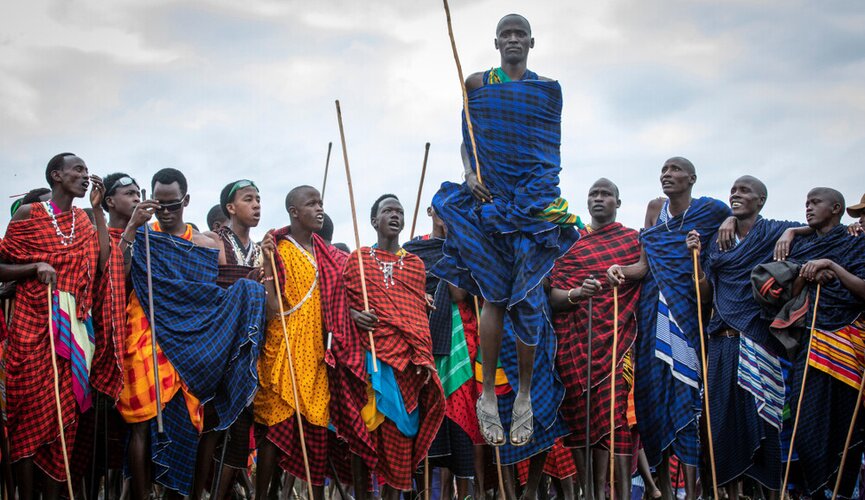
The Maasai Olympics represent an innovative approach to conservation by replacing traditional lion hunting with athletic competitions based on warrior skills. Launched in 2012, this biennial event channels young Maasai men's desire to prove their bravery and warrior status toward sporting excellence rather than killing endangered lions. This creative solution addresses both cultural needs and conservation imperatives, demonstrating how traditional practices can adapt to contemporary ecological realities while maintaining their essential social functions.
Origins and Conservation Context
Historically, killing a lion represented the ultimate test of Maasai warrior courage, with successful lion hunters earning immense prestige and social status. However, lion populations have declined drastically due to habitat loss, human-wildlife conflict, and traditional hunting. Conservationists recognized that simply prohibiting lion hunting without providing alternative pathways to warrior status would fail, as cultural needs for masculine validation would persist regardless of conservation laws.
The Maasai Olympics emerged from collaboration between conservation organizations and Maasai communities, creating alternative competitions where warriors demonstrate traditional skills including running, jumping, spear throwing, and javelin accuracy. By offering equivalent prestige through sporting achievement, the Olympics channel warrior energy constructively while protecting endangered wildlife. Winners receive prizes including breeding bulls and scholarships, providing tangible benefits comparable to traditional lion hunting rewards.
Competition Events
The Olympics feature six traditional athletic events: 200m, 800m, and 5000m running races, javelin throw, rungu (throwing club) throw, and the high jump performed in traditional Maasai jumping style. These events test skills historically important for Maasai warriors—speed for pursuing prey and enemies, endurance for long-distance cattle herding, and throwing accuracy for hunting and combat. By framing these athletic abilities as warrior skills, the Olympics maintain cultural continuity while redirecting applications toward non-violent competition.
Competitions occur at manyatta (traditional homestead) level, with winners advancing to regional and ultimately national finals. This tournament structure creates multiple levels of prestige, with local champions earning recognition in their home communities even if they don't advance to national competition. The graduated structure ensures widespread participation and community engagement rather than focusing solely on elite athletes.
Cultural Integration
The Maasai Olympics incorporate traditional ceremonies, dances, and cultural performances alongside athletic competitions, maintaining spiritual and social dimensions of Maasai warrior culture. Elders bless participants, communities gather for multi-day celebrations, and traditional dress and customs feature prominently. This cultural integration ensures the Olympics function as genuine cultural events rather than merely sporting competitions, addressing deeper social needs that lion hunting historically fulfilled.
The event's name deliberately invokes the Olympic ideal of peace through sport, positioning Maasai athletic traditions within global sporting narratives. This framing helps international audiences understand the Olympics as sophisticated cultural innovation rather than simplistic replacement of one activity with another. The global Olympic connection also attracts media attention and donor support, providing resources enabling the event's continuation and expansion.
Conservation Impact
Data from participating communities shows significant reduction in lion killings following Maasai Olympics implementation. Warriors who previously hunted lions now focus energy on athletic training, with sporting success providing the status and recognition they seek. Young men report that Olympic participation satisfies their desire to prove themselves as warriors, reducing motivations for lion hunting.
The Olympics also improve community attitudes toward lions and conservation generally. As communities benefit from tourism revenues generated by wildlife, economic incentives align with conservation goals. Warriors become stakeholders in lion survival rather than adversaries of conservation efforts, transforming human-wildlife conflict dynamics. This approach demonstrates how addressing cultural needs alongside ecological imperatives creates sustainable conservation solutions respecting indigenous peoples' rights and traditions.
Challenges and Adaptations
Maintaining the Maasai Olympics requires ongoing funding, as communities cannot self-sustain the event without external support. Securing consistent financial resources remains challenging, with conservation organizations and donors experiencing competing demands for limited funds. The event's continuation depends on demonstrating measurable conservation impact justifying investment, creating pressure to produce quantifiable results that may not fully capture complex cultural and social benefits.
Some traditional Maasai express ambivalence about replacing lion hunting with athletics, viewing the change as cultural loss despite ecological necessity. Navigating these tensions requires sensitive dialogue respecting traditionalist perspectives while advocating for adaptation serving both cultural and conservation goals. The Maasai Olympics exemplify broader challenges traditional sports face when adapting to modern contexts, balancing preservation with necessary evolution, as discussed in fusion sports developments blending traditional and contemporary athletics.