From Warrior Training to Sport: Military Origins
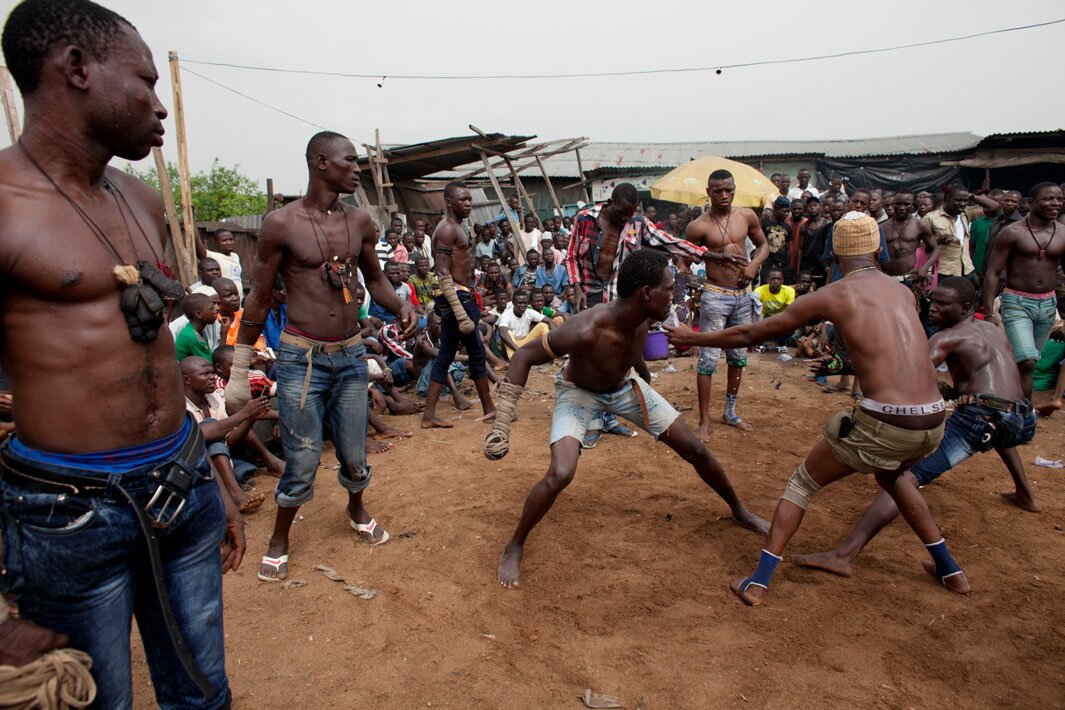
Many traditional African sports originated as military training systems, designed to prepare warriors for combat while building unit cohesion and physical conditioning. Over time, these martial practices evolved into competitive sports and cultural performances, maintaining their athletic rigor while shedding lethal techniques. This transformation reflects broader patterns where societies adapted warrior traditions to peacetime contexts, preserving valuable cultural practices while reducing violence.
Wrestling as Combat Training
African kingdoms universally employed wrestling for military preparation, recognizing that grappling skills translated directly to battlefield close-combat scenarios. Soldiers who mastered wrestling could disarm opponents, immobilize enemies for capture, and defend themselves when weapons were unavailable. Regular wrestling competitions within military units identified the strongest fighters while maintaining combat readiness through continuous practice.
The Zulu military system under Shaka Zulu incorporated intensive wrestling training alongside spear and shield drills. Warriors practiced wrestling daily, developing the strength and body control needed for the close-quarters combat characteristic of Zulu tactics. This military wrestling emphasized efficiency and effectiveness, with techniques focused on quickly subduing opponents rather than scoring points in sporting contests. As Zulu military dominance declined, these wrestling traditions persisted as civilian sport, with communities maintaining techniques their warrior ancestors had perfected, similar to Zulu shield dance evolution.
Stick Fighting Traditions
Stick fighting emerged across Africa as both weapons training and sport. Young men learned staff fighting as preparation for spear combat, developing timing, distance judgment, and striking accuracy translatable to battlefield situations. Many societies used stick fighting as non-lethal training method, allowing warriors to practice combat techniques without risking valuable personnel to training injuries.
Southern African communities developed sophisticated stick fighting systems where warriors trained with different staff lengths corresponding to various weapon types. Short sticks simulated knives and clubs, medium sticks represented fighting axes, while long sticks trained spear techniques. This comprehensive approach produced versatile fighters capable of wielding any weapon effectively. The competitive stick fighting seen today in various African traditions directly descends from these military training systems, though modern versions emphasize sport over combat preparation.
Spear Throwing and Javelin Skills
Hunting and warfare both required accurate throwing skills, making spear competitions natural military training exercises. Warriors competed to achieve maximum distance and accuracy, with results directly indicating combat readiness. Communities that produced superior throwers enjoyed military advantages, as effective javelin warriors could inflict casualties before hand-to-hand combat commenced.
East African warrior societies, particularly Maasai and Samburu, maintained constant spear training as protection against predators and preparation for inter-tribal conflicts. Young warriors practiced throwing techniques from childhood, gradually building the strength and accuracy needed for effective combat. These skills remained relevant even as traditional warfare declined, evolving into the competitive events featured in modern cultural festivals and traditional spear throwing competitions.
Archery and Projectile Skills
Forest-dwelling African peoples developed exceptional archery skills for hunting and warfare, with regular competitions maintaining proficiency. The Baka and other Central African groups practiced archery from young ages, with accuracy contests identifying the most skilled hunters and warriors. These competitions served dual purposes: entertaining communities while ensuring military readiness through continuous skill development.
Some West African kingdoms organized elaborate archery tournaments where warriors demonstrated their abilities before kings and military commanders. Superior performers received recognition, rewards, and sometimes command positions, incentivizing dedication to archery training. As firearms replaced traditional weapons, archery competitions transitioned from military assessment to cultural heritage activity, preserving ancestral skills no longer essential for survival or warfare.
Running and Endurance Conditioning
African military systems emphasized endurance running as essential warrior capability. Long-distance running enabled rapid troop movements, message delivery, and pursuit of retreating enemies. Many societies developed competitive running events that simultaneously entertained communities and maintained military conditioning standards.
The famous Zulu long-distance runners could cover over 50 miles daily while carrying weapons and supplies, a capability built through lifelong training and regular competitive events. East African pastoralist groups similarly developed exceptional running ability through daily herding activities requiring covering vast distances. These traditions contributed to East Africa's later dominance in international long-distance running, with modern athletic success building on centuries of cultural emphasis on endurance running stemming from military and pastoral origins.
Transformation to Civilian Sport
As African societies modernized and traditional warfare declined, military training systems transformed into civilian sports and cultural performances. This transition preserved valuable traditions while adapting them to peacetime contexts. Communities continued practicing ancestral martial arts, though increasingly for cultural identity and recreation rather than combat preparation.
The transformation sometimes involved rule modifications making practices safer and more suitable for entertainment. Lethal techniques were removed, protective equipment introduced, and competitions structured with judges and formal regulations. These changes enabled broader participation while maintaining the essential character of warrior traditions. Modern initiatives like the Maasai Olympics exemplify this evolution, channeling warrior energy into sporting competitions that preserve cultural heritage while promoting contemporary values like wildlife conservation.