Dambe Boxing: The Ancient Nigerian Striking Art
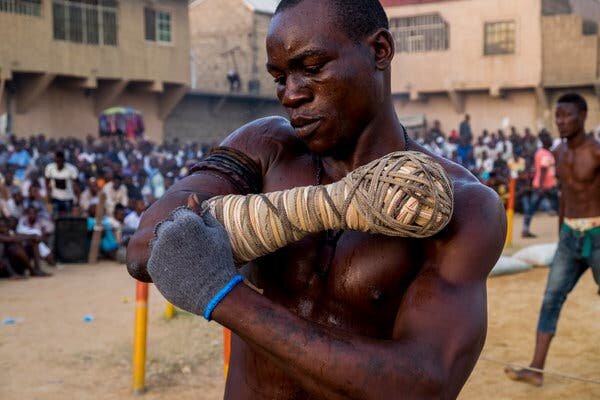
Dambe is a traditional martial art practiced by the Hausa people of West Africa, particularly in northern Nigeria, Niger, and Chad. This ancient combat sport has been passed down through generations of butchers' guilds, with practitioners wrapping one hand in thick cord to create a formidable striking weapon known as the "spear."
Origins and Cultural Significance
The practice of Dambe dates back centuries, emerging from the professional butchers' caste among the Hausa ethnic group. Young men would train in this striking art as a way to demonstrate their strength and courage, with matches traditionally held during harvest festivals and celebrations. The sport served multiple purposes: entertainment for communities, a proving ground for warriors, and a method of settling disputes through controlled combat.
Historically, Dambe fighters traveled from village to village, challenging local champions and earning their livelihood through prize fights. These itinerant boxers, known as "daæmaænga," belonged to a respected warrior class within Hausa society. The art was taught within families, with techniques and training methods kept as closely guarded secrets passed from father to son.
Fighting Techniques and Rules
In Dambe, fighters wrap their dominant hand with cotton cord, creating the offensive "spear" hand, while the other hand remains open for blocking and holding, called the "shield." Kicks are also permitted, particularly to the body and legs, making Dambe a comprehensive striking system that predates many modern combat sports.
Matches take place in a circular arena with spectators forming the boundaries. Victory is achieved when an opponent falls to the ground with any body part other than the feet touching the earth, when one fighter gives up, or when officials stop the bout. There are typically three rounds, though the exact duration varies by region and era. The sport emphasizes explosive power, timing, and the ability to withstand strikes while delivering devastating counters.
Modern Evolution
Contemporary Dambe has experienced a revival, with organized tournaments attracting substantial audiences across Nigeria. Professional promotions have introduced weight classes, medical supervision, and standardized rules while maintaining the traditional elements that make the sport distinctive. Some fighters have even attempted to transition to mixed martial arts, bringing Dambe techniques to international audiences.
The Nigerian Dambe Association works to preserve the traditional aspects while adapting the sport for modern safety standards. Training camps have emerged in major cities, teaching young athletes the ancient techniques alongside contemporary conditioning methods. This evolution mirrors similar patterns seen in Senegalese wrestling, where traditional combat sports have found new commercial viability.
Despite modernization efforts, village festivals still feature traditional Dambe matches with ritual elements intact, including pre-fight ceremonies, drumming, and spiritual preparations. These grassroots competitions maintain the cultural authenticity that urban professional bouts sometimes sacrifice for spectacle.