The Dambe Boxing Revival in Nigeria
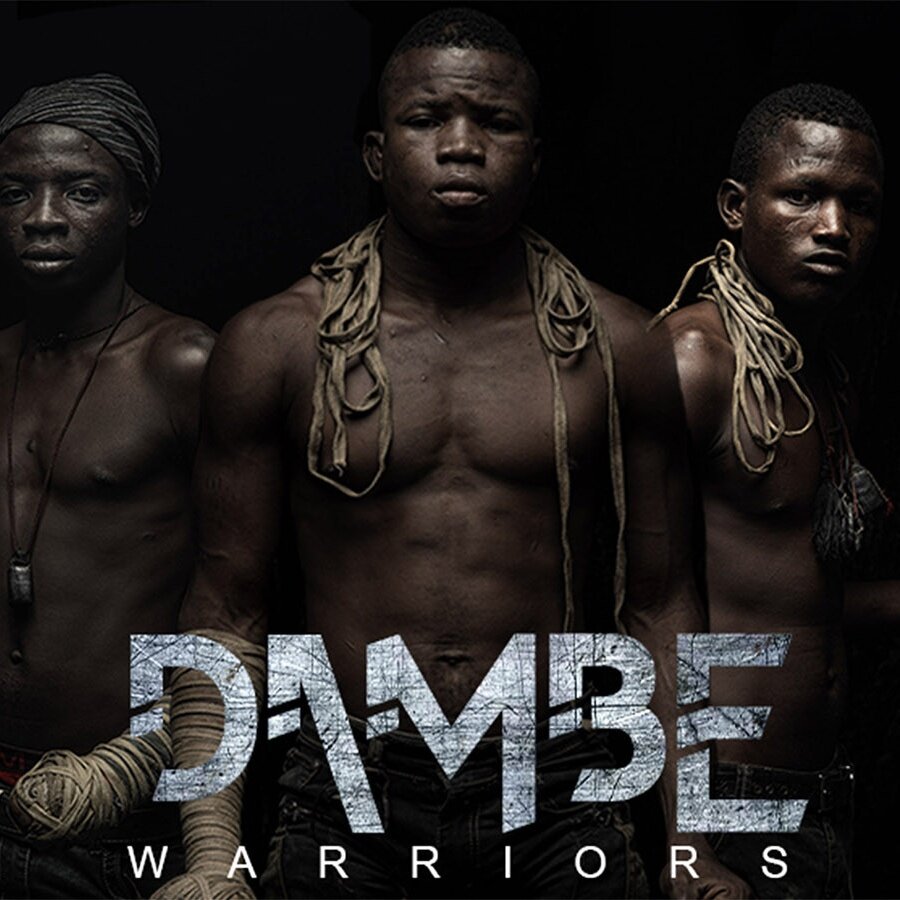
Dambe boxing, the traditional Hausa striking art, is experiencing renewed interest across Nigeria as cultural organizations and sports promoters work to revitalize this ancient combat sport. After decades of decline due to modernization and competing entertainment options, contemporary Dambe tournaments are attracting new audiences while maintaining the cultural traditions that make the sport distinctive. This revival demonstrates how traditional African martial arts can adapt to modern contexts while preserving their essential character and cultural significance.
Organized Tournament Structure
Modern Dambe promoters have introduced structured tournament formats with weight classes, medical supervision, and formal regulations adapting the traditional sport for contemporary safety standards. While maintaining the wrapped-hand striking and traditional victory conditions, organized events occur in proper venues with referees, judges, and medical staff ensuring participant safety. These modifications make Dambe more palatable to urban audiences and government regulators while preserving core elements that define the sport's identity.
The Nigerian Dambe Association coordinates tournaments across northern states, creating regional championships and national title bouts. Standardized rules help legitimize the sport, distinguishing professional Dambe from informal village matches. This organizational structure mirrors developments in Senegalese wrestling, where professionalization increased mainstream acceptance and commercial viability without entirely abandoning traditional practices.
Youth Engagement
Dambe promoters actively recruit young athletes, offering training programs teaching traditional techniques alongside modern conditioning methods. Youth tournaments provide pathways for aspiring fighters to develop skills and gain exposure to scouts identifying potential champions. By creating career opportunities, Dambe revival efforts attract youth who might otherwise pursue football or other sports, building new generations of practitioners committed to continuing the tradition.
Some Dambe training facilities in cities like Kano and Kaduna combine traditional instruction with gym amenities appealing to modern youth. While respecting cultural elements including pre-fight rituals, these programs also incorporate weight training, nutritional guidance, and video analysis unavailable to previous generations. This hybrid approach attracts diverse participants including some from non-Hausa backgrounds interested in traditional Nigerian martial arts.
Media Coverage and Public Awareness
Nigerian media increasingly cover Dambe events, with sports channels broadcasting matches and news outlets profiling prominent fighters. Social media amplifies coverage, allowing Dambe content to reach audiences beyond traditional northern strongholds. Viral videos of spectacular knockouts introduce Dambe to international audiences, generating curiosity about this distinctive African striking art.
Documentary filmmakers have produced features exploring Dambe's history and contemporary revival, screening at film festivals and streaming platforms. These productions educate Nigerian and international audiences about the sport's cultural significance while showcasing its athletic merit. Increased visibility helps combat misconceptions that African martial arts are primitive or unsophisticated, demonstrating Dambe's technical complexity and rich cultural context.
Challenges Facing Revival
Despite growing interest, Dambe revival faces obstacles including limited funding compared to mainstream sports, regulatory challenges, and ongoing concerns about fighter safety. Some government officials view Dambe as too violent, potentially dangerous activity requiring strict oversight. Navigating these regulatory challenges while maintaining the sport's essential character requires careful negotiation between traditionalists and modernizers.
The sport also confronts commercialization pressures that could dilute its cultural authenticity. As sponsors become involved, they may demand changes making Dambe more marketable but less traditional. Balancing commercial viability with cultural preservation represents a constant tension, as seen in traditional Dambe communities sometimes criticizing professional versions as inauthentic spectacles catering to urban audiences unfamiliar with proper cultural contexts.
International Interest
Dambe's unique striking techniques have attracted international martial arts enthusiasts interested in African combat sports. Some Nigerian fighters have attempted to transition to mixed martial arts, applying Dambe techniques in international competitions. While success has been limited, these cross-cultural exchanges introduce global audiences to Dambe while creating potential economic opportunities for skilled practitioners.
Cultural festivals in African diaspora communities sometimes feature Dambe demonstrations, introducing the sport to second and third-generation Africans seeking connections to ancestral heritage. These international exposures help position Dambe within broader narratives about African martial traditions, challenging stereotypes that minimize African contributions to global combat sports history. The growing recognition mirrors broader trends in traditional sports gaining international attention through UNESCO recognition and cultural heritage initiatives.