Stick Fighting Traditions: From Ritual to Sport
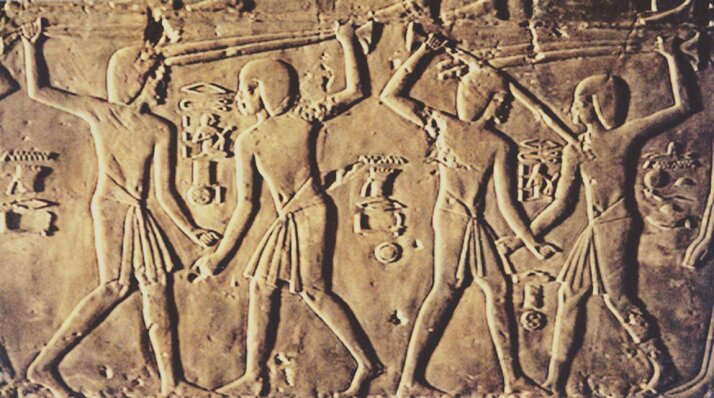
Stick fighting represents one of Africa's most widespread traditional combat sports, practiced across numerous ethnic groups from South Africa to Ethiopia. Known by various names—Donga among the Surma people, Nguni stick fighting among Xhosa and Zulu communities, and Tahtib in Egypt—these martial traditions share common elements of ritualized combat using wooden staffs while serving distinct cultural functions within their respective societies.
Southern African Traditions
Nguni stick fighting, practiced by Xhosa, Zulu, and related peoples of South Africa, uses two sticks: a longer staff for striking and a shorter stick with a knobbed end for defense. Young herders traditionally practiced while watching cattle, developing skills that prepared them for both warfare and ceremonial combat. The art emphasizes footwork, timing, and the ability to strike while maintaining defensive posture.
Matches occur during important cultural events including initiation ceremonies, weddings, and festivals. Competitors fight until first blood is drawn or one fighter surrenders, with referees ensuring fair play and preventing serious injuries. Despite the violent appearance, traditional rules and cultural norms minimize permanent damage, treating stick fighting as controlled competition rather than genuine combat.
Nelson Mandela famously wrote about learning stick fighting as a boy in rural Transkei, describing how the sport taught courage, strategy, and respect for opponents. This connection to South African cultural icons has helped maintain stick fighting's prestige even as modernization threatens many traditional practices. Contemporary revival efforts position stick fighting as heritage sport worthy of preservation and promotion.
East African Donga
The Surma and Mursi peoples of Ethiopia's Omo Valley practice Donga, an intense form of stick fighting using long poles up to six feet in length. Competitions occur after harvest, when young men from different villages gather to demonstrate their fighting prowess. Winners gain prestige and attract potential wives, making Donga competitions high-stakes affairs with significant social consequences.
Donga fighters wear minimal protective equipment, sometimes using arm guards or body paint believed to provide mystical protection. The combat is remarkably fierce, with competitors swinging poles at full force toward opponents' heads and bodies. Despite the apparent brutality, serious injuries are relatively rare, as participants develop exceptional defensive skills through years of training and cultural rules discourage deliberately maiming opponents.
The ritual aspects of Donga extend beyond the fights themselves. Elaborate body painting, ceremonial dances, and communal feasting accompany the competitions, creating multi-day festivals that reinforce social bonds and cultural identity. These events serve as important gatherings for communities separated by distance and difficult terrain throughout the year.
North African Tahtib
Egyptian Tahtib represents one of the oldest documented stick fighting traditions, with depictions found in ancient tomb paintings dating to pharaonic times. Originally a martial art preparing warriors for combat, Tahtib evolved into a performative folk dance and competitive sport. Practitioners use a four-foot stick, executing choreographed sequences that demonstrate skill, rhythm, and cultural heritage.
Modern Tahtib exists primarily as cultural performance rather than competitive combat, with demonstrations at festivals and celebrations showcasing traditional movements. However, some communities maintain competitive variants where practitioners spar using controlled strikes, testing technical skill without the full-contact intensity of earlier eras. UNESCO recognized Egyptian Tahtib as Intangible Cultural Heritage in 2016, validating preservation efforts and encouraging continued practice.
Training and Technique
Traditional stick fighting instruction emphasizes practical experience over formal teaching. Young boys begin playing with sticks informally, gradually learning techniques through observation and practice. As skills develop, older fighters provide guidance, correcting form and teaching more advanced tactics. This informal education system has transmitted knowledge across generations without written manuals or structured curricula.
Common techniques across African stick fighting traditions include overhead strikes, lateral swings, thrusts, and defensive blocks. Footwork enables fighters to maintain balance while avoiding incoming strikes. Advanced practitioners develop sophisticated feinting and combination attacks that overwhelm opponents' defenses. The physical conditioning required—strength, speed, endurance, reflexes—makes stick fighting demanding athletic training comparable to any combat sport.
Modern Context and Preservation
Contemporary stick fighting faces multiple challenges including legal concerns about violence, competing modern entertainment options, and urbanization separating youth from traditional rural contexts where stick fighting naturally occurred. Some governments have attempted to ban stick fighting due to occasional serious injuries, though such prohibitions often prove unenforceable in communities committed to maintaining their traditions.
Cultural organizations work to preserve stick fighting through documentation projects, youth training programs, and organized competitions with safety regulations. Some initiatives promote stick fighting as tourist attraction, offering demonstrations and participation opportunities for visitors interested in African martial traditions. This commercialization provides economic incentives for continuation while raising concerns about authenticity and cultural commodification.
Academic interest in African martial arts has brought international scholarly attention to stick fighting, with researchers documenting techniques and cultural contexts. This scholarship elevates stick fighting's status as sophisticated martial tradition worthy of study, countering dismissive attitudes that viewed African combat sports as primitive. Such recognition supports government initiatives promoting traditional sports as national heritage deserving official support and resources.