The Ancient Roots of African Wrestling Styles
Wrestling stands as one of humanity's oldest competitive activities, with African civilizations developing sophisticated wrestling traditions that predate written history. Archaeological evidence, oral traditions, and historical documentation reveal wrestling's central role across diverse African societies, from ancient Egypt to pre-colonial kingdoms throughout the continent. These traditions share common elements while exhibiting regional variations reflecting local cultural values and environmental conditions.
Archaeological Evidence
The earliest visual documentation of African wrestling appears in ancient Egyptian tomb paintings and reliefs, with the most famous examples found at Beni Hasan dating to approximately 2000 BCE. These illustrations depict over 400 wrestling techniques including throws, locks, and ground positions remarkably similar to modern grappling systems. The detailed nature of these depictions suggests wrestling was a highly developed art form in ancient Egypt, practiced by both military personnel and civilian athletes.
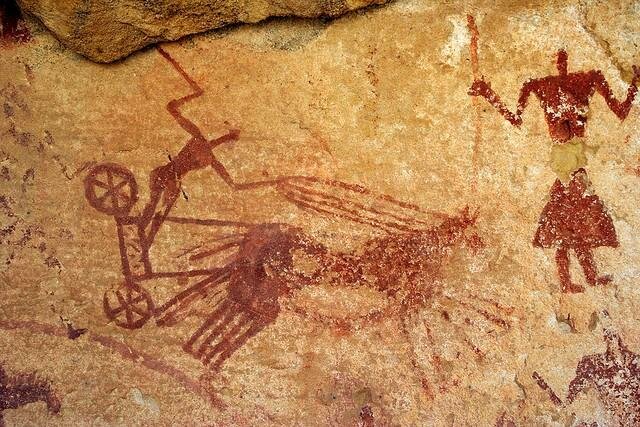
Rock art from the Sahara region, created when the area was more hospitable to human habitation, includes images of wrestlers in combat poses. Dating these paintings proves challenging, but many likely precede Egyptian civilization by thousands of years. The widespread distribution of wrestling imagery across North Africa suggests the practice was common among prehistoric populations, probably serving both recreational and combat training functions.
Cultural Diffusion and Development
As populations migrated and trade networks developed across Africa, wrestling traditions spread and evolved. Different ethnic groups adapted wrestling to their specific needs, creating distinct styles reflecting local values. Pastoralist societies emphasized wrestling as preparation for defending livestock, while agricultural communities incorporated wrestling into harvest celebrations as thanksgiving expressions and entertainment.
The Bantu expansion, beginning around 1000 BCE and continuing for centuries, carried wrestling traditions from West Africa throughout sub-Saharan regions. As Bantu-speaking peoples settled new territories, they maintained wrestling practices while adapting them to local conditions. This diffusion explains similarities found in wrestling styles across geographically distant regions, suggesting common ancestral origins modified through centuries of independent development.
Social and Religious Functions
Traditional African wrestling served purposes beyond physical competition. Many societies integrated wrestling into religious ceremonies, believing successful wrestlers received divine favor. Pre-match rituals often involved offerings to ancestors or spirits, with outcomes interpreted as spiritual messages. This sacred dimension elevated wrestling from mere sport to cultural practice connecting communities to supernatural realms.
Wrestling also functioned as social regulation mechanism, allowing individuals and groups to settle disputes without lethal violence. Conflicts over land, marriages, or insults could be resolved through wrestling matches, with outcomes accepted as just resolutions. This conflict resolution role made wrestling essential to social order, particularly in societies lacking centralized judicial systems. The practice demonstrates how traditional African sports addressed practical social needs while providing entertainment, similar to functions served by ritual games across the continent.
Military Applications
African kingdoms recognized wrestling's value for military training, with soldiers practicing techniques applicable to battlefield combat. Kingdoms like the Zulu nation incorporated wrestling into warrior preparation, developing fighting skills useful in close-quarters combat. Military wrestling emphasized practical techniques for subduing opponents quickly, distinguishing combat wrestling from ceremonial or entertainment-focused variants.
Some societies maintained separate wrestling traditions for military and civilian purposes, with military styles kept secret from potential enemies. Warriors learned lethal techniques including joint destruction and neck attacks prohibited in civilian competitions. This distinction between martial and sport wrestling parallels developments in warrior training systems throughout Africa, where combat preparation evolved alongside entertainment sports.
Regional Style Development
West African wrestling evolved distinctive characteristics including the integration of striking in some variants, such as Senegalese Laamb. The addition of punches created a more comprehensive combat system testing multiple skill sets. Other West African styles maintained pure grappling focus, emphasizing throws and ground control without strikes.
East African wrestling traditions, including Ethiopian Tigel and various Nilotic styles, developed in contexts emphasizing endurance and technique over size. Highland wrestling adapted to mountainous terrain, developing low stances and techniques exploiting gravity on slopes. Lowland styles incorporated different movement patterns suited to flat terrain, demonstrating environmental influence on technical development.
Southern African wrestling, practiced by Nguni, Sotho, and other peoples, integrated with stick fighting traditions, creating athletes skilled in multiple combat forms. This cross-training between wrestling and weapons fighting produced well-rounded martial artists capable of adapting to various combat scenarios. The interconnection between different martial traditions characterizes much African combat sports development, where specialization was less common than comprehensive fighting ability.
Preservation Through Oral Tradition
Unlike literate societies that recorded martial techniques in written manuals, most African wrestling traditions relied on oral transmission and physical demonstration. Master wrestlers taught students through hands-on instruction, with knowledge passing from generation to generation without written documentation. This transmission method emphasized practical understanding over theoretical knowledge, producing practitioners who learned through experience rather than abstract study.
Oral traditions preserved not just techniques but also cultural context, including the values, etiquette, and spiritual beliefs surrounding wrestling. Stories about legendary wrestlers served as teaching tools, illustrating proper behavior and technical excellence. This narrative approach to knowledge preservation meant wrestling remained integrated with broader cultural systems rather than becoming isolated technical practices, as discussed in oral traditions preserving sports heritage.