Senegalese Wrestling Championships: Modern Laamb Spectacles
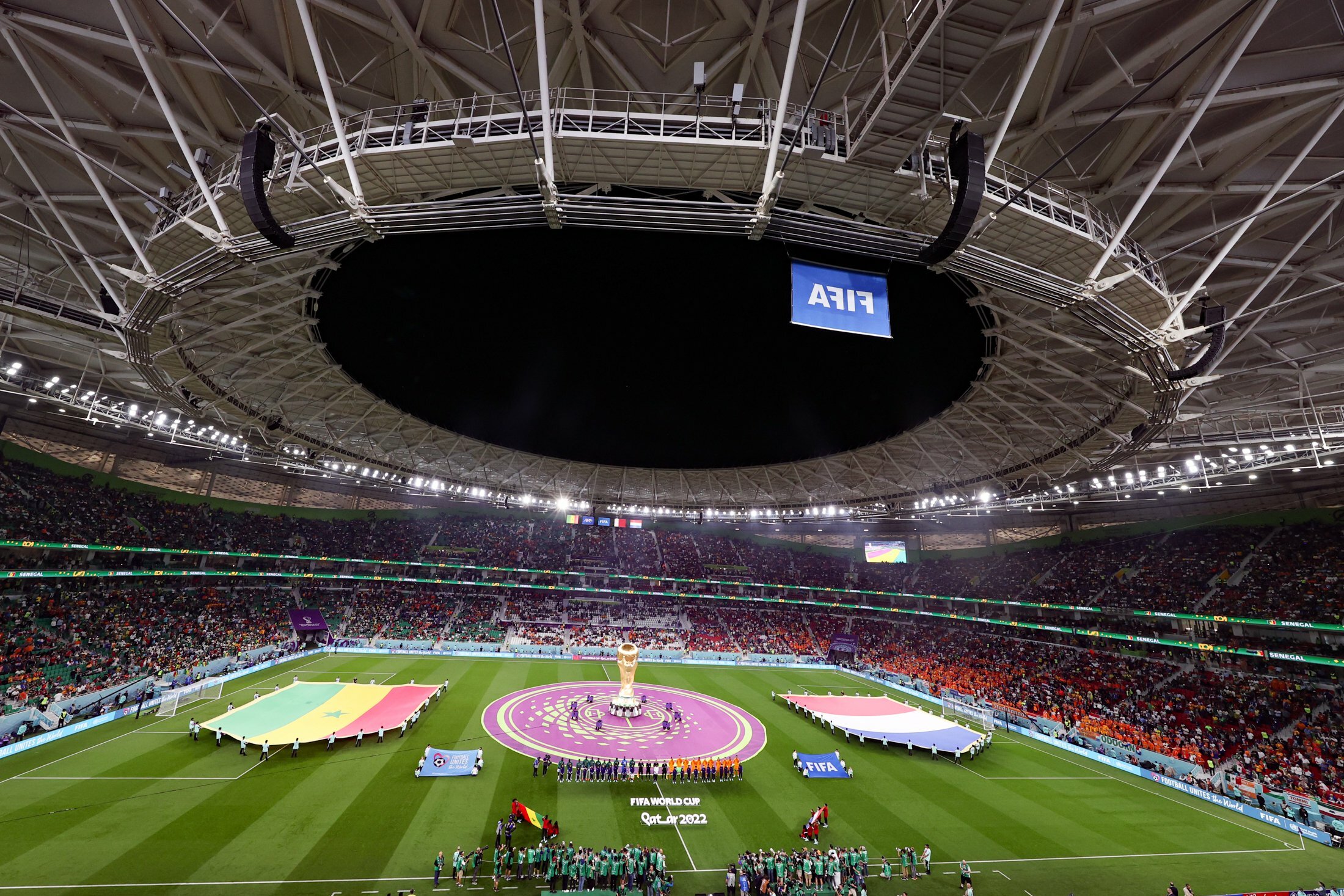
Senegal's Laamb wrestling has evolved from village tradition into the nation's most popular sport, with championship matches drawing stadium crowds of 50,000 and television audiences reaching millions. This transformation demonstrates how traditional African sports can achieve commercial success while maintaining cultural authenticity. The professionalization of Laamb creates a model for revitalizing other traditional sports, showing that indigenous athletics can compete with imported sports for public attention and economic resources.
Commercial Development
The commercialization of Senegalese wrestling accelerated in the 1990s and 2000s, as promoters recognized the sport's mass appeal and began organizing high-stakes professional matches. Corporate sponsors invested heavily, drawn by wrestling's ability to reach audiences across socioeconomic levels. Major telecommunications companies, beverage brands, and banks now sponsor top wrestlers and tournaments, injecting millions of dollars into the sport and transforming elite wrestlers into highly paid professional athletes.
Championship bouts at Dakar's national stadium command substantial ticket prices, with VIP seating costing more than many Senegalese earn monthly. Television broadcast rights generate significant revenue, while betting on matches creates underground economies despite official prohibition. This commercialization has created wealth for successful wrestlers, promoters, and associated industries including training facilities, equipment manufacturers, and sports media. The economic ecosystem surrounding Laamb wrestling now employs thousands and contributes meaningfully to Senegal's economy.
Star Athletes and Celebrity Culture
Top Laamb wrestlers achieve celebrity status comparable to international football stars, with their lives followed obsessively by fans and media. Wrestlers like Balla Gaye 2, Bombardier, and Eumeu Sene command social media followings in the millions, with their training routines, personal lives, and rivalries generating constant public interest. Their fame extends beyond athletics, with wrestlers becoming cultural influencers whose fashion choices, statements, and endorsements shape public discourse.
The wealth accumulated by champion wrestlers is displayed conspicuously, with luxury vehicles, expensive clothing, and lavish homes demonstrating their success. This visible prosperity attracts youth to wrestling careers, creating robust pipelines of aspiring athletes hoping to achieve similar success. The possibility of transforming from poor village background to wealthy celebrity through athletic achievement makes wrestling particularly appealing in a country with limited economic opportunities.
Training and Preparation
Professional Laamb wrestlers combine traditional training methods with modern sports science, creating hybrid preparation systems. While maintaining spiritual preparations including consultations with marabouts and traditional rituals, elite wrestlers also employ personal trainers, nutritionists, and sports physicians. Training camps feature weight rooms, running tracks, and technique coaches alongside traditional beach workouts and mystical preparations.
The integration of modern methods has increased athletic performance dramatically, with contemporary wrestlers larger, stronger, and more technically skilled than previous generations. However, maintaining traditional elements remains culturally important, as fans expect wrestlers to respect spiritual dimensions alongside physical preparation. This balance between tradition and modernity characterizes professionalized traditional sports, where commercial success requires appealing to both traditionalist and modernizing audiences.
Media Coverage and Broadcast
Senegalese television networks dedicate substantial airtime to wrestling, broadcasting matches, analysis shows, and documentaries about wrestlers' lives. Social media platforms amplify coverage, with fans sharing videos, discussing matches, and creating content celebrating their favorite athletes. This media saturation maintains public interest between major bouts, keeping wrestling constantly in national consciousness.
Broadcasting technology has changed how matches are experienced, with multiple camera angles, instant replays, and expert commentary enhancing viewer understanding and enjoyment. While traditionalists sometimes lament the spectacle's commercialization, most Senegalese celebrate wrestling's media prominence as validation of their cultural heritage's value. The extensive coverage demonstrates that African traditional sports can generate media interest rivaling imported sports when properly promoted and presented.
Regional and International Expansion
Senegal's wrestling success has inspired similar developments in neighboring countries, with Gambian, Malian, and Guinean wrestlers competing in regional circuits. Some Senegalese promoters organize international tournaments featuring wrestlers from multiple West African nations, creating pan-regional sporting events. These expansions spread economic benefits beyond Senegal while fostering cultural exchange and regional identity through shared athletic traditions.
Efforts to introduce Laamb to international audiences have met mixed success, with demonstrations at African diaspora events and attempts to organize matches in Europe attracting some interest. However, the sport's cultural specificity and mystical dimensions create barriers to broader global appeal. Unlike Olympic sports with standardized rules accessible to any participant, Laamb remains deeply embedded in Senegalese culture, making international expansion challenging despite domestic commercial success. This tension between cultural authenticity and global marketability affects many traditional sports seeking wider audiences, as discussed in corporate sponsorship developments.