Corporate Sponsorship of Traditional Sports Events
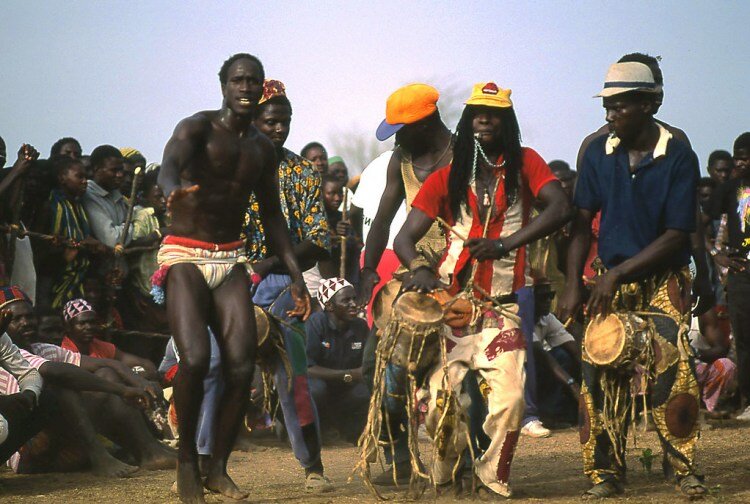
Corporate sponsorship has transformed traditional African sports from community-funded activities into commercially viable entertainment products. Companies recognize traditional sports' mass appeal and cultural resonance, investing millions in tournaments, athletes, and facilities. This commercial involvement brings resources enabling sports preservation and athlete professionalization, but also raises concerns about cultural commodification and corporate influence over traditional practices. Understanding sponsorship dynamics reveals how traditional sports navigate modern economic realities while attempting to maintain cultural authenticity.
Sponsor Motivations
Corporations sponsor traditional sports to access audiences difficult to reach through conventional marketing channels. Traditional sports attract diverse demographics including rural populations, older generations maintaining cultural connections, and urban youth seeking authentic African identity expressions. Sponsors gain brand visibility and positive associations with cultural preservation, positioning themselves as supporters of African heritage rather than merely profit-seeking entities.
Telecommunications companies, banks, and beverage manufacturers dominate traditional sports sponsorship in Africa, recognizing these events' massive audience reach. Major Senegalese wrestling matches attract television audiences in millions, making them cost-effective advertising vehicles. Sponsors also benefit from long-term brand loyalty, as fans appreciate companies supporting cultural traditions, creating goodwill translating to consumer preference when purchasing decisions arise.
Financial Impact
Sponsorship money enables professional athlete careers, with top wrestlers, board game champions, and traditional athletes earning substantial incomes. Prize purses exceeding hundreds of thousands of dollars in elite competitions create economic incentives attracting talented athletes who might otherwise pursue other careers. This professionalization raises athletic standards as competitors train full-time with access to resources unavailable to previous generations.
Sponsorship also funds infrastructure including training facilities, competition venues, and media production. Corporate investment in broadcast technology improves event presentation quality, making traditional sports more appealing to television audiences and attracting additional viewers. This positive cycle where better presentation attracts larger audiences justifying increased sponsor investment has driven commercial growth in traditional sports sectors, particularly in West Africa where wrestling has achieved mainstream commercial success.
Concerns About Commercialization
Critics worry that corporate sponsorship corrupts traditional sports by prioritizing spectacle over cultural authenticity. Sponsors may demand rule modifications making events more exciting for casual viewers but less true to traditional practice. The emphasis on entertainment value could erode spiritual and ritualistic elements considered essential by traditionalists, transforming sacred practices into mere sporting spectacles divorced from original cultural contexts.
Commercialization also creates economic inequalities within traditional sports communities. Elite athletes with sponsor backing access resources vastly superior to grassroots practitioners maintaining traditions in rural areas without corporate support. This disparity may create two-tier systems where commercially viable urban professional sports diverge significantly from traditional rural practice, potentially leading to cultural fragmentation where different versions of supposedly shared traditions develop in isolation.
Sponsor Influence on Events
Corporate sponsors exert influence over event organization, sometimes demanding changes accommodating sponsor interests. Advertising requirements may intrude on cultural ceremonies, with corporate logos displayed prominently during rituals traditionalists view as sacred. Sponsors also influence scheduling, with events timed for maximum television audiences rather than traditional calendars linked to agricultural cycles or religious observances.
Some communities resist sponsor demands, negotiating terms preserving cultural integrity while accepting financial support. Successful negotiations establish boundaries between commercial and traditional elements, creating hybrid events where corporate sponsorship funds competitions without completely dominating cultural dimensions. These negotiations require strong community organization and clear understanding of non-negotiable cultural values, as discussed in community-led revival efforts.
Alternative Funding Models
Some preservation advocates promote alternative funding reducing dependence on corporate sponsorship, including government cultural budgets, international heritage organizations, and community crowdfunding. These alternatives potentially provide more stable support respecting cultural authenticity without commercial pressures distorting practices. However, alternative funding often proves insufficient for sustaining professional athletic careers or producing high-quality events attracting mass audiences.
Hybrid models combining multiple funding sources may offer optimal solutions, with government and heritage organization support supplemented by carefully managed corporate partnerships. This approach distributes financial dependence across multiple stakeholders, preventing any single funder from exerting excessive influence while securing adequate resources for tradition preservation and athlete support. Developing these balanced funding structures remains an ongoing challenge for traditional sports organizations navigating between cultural preservation and commercial viability.