UNESCO Recognition of Traditional African Sports
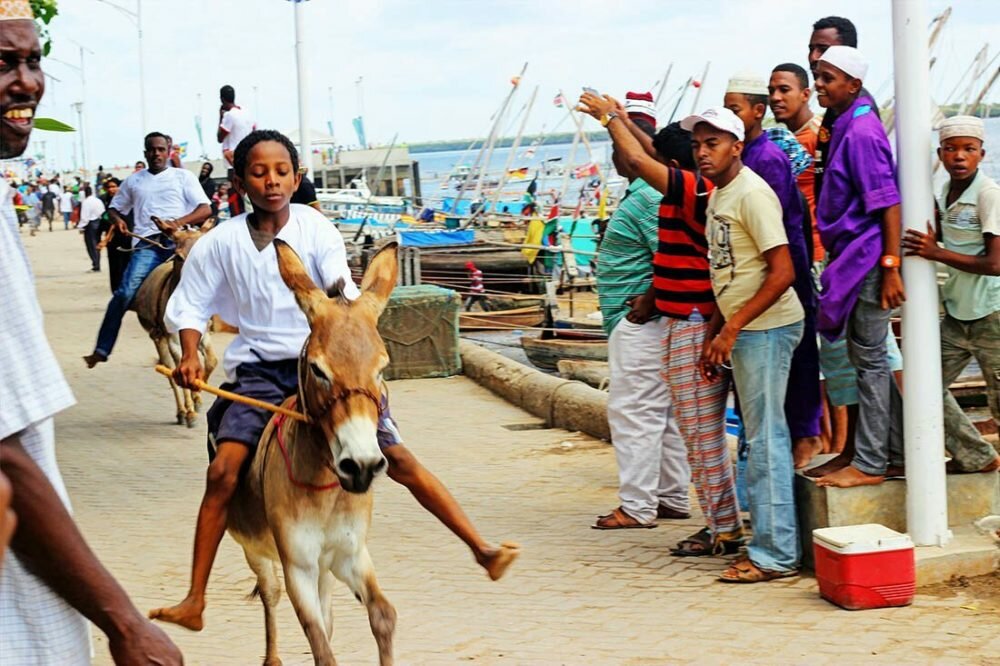
UNESCO's Intangible Cultural Heritage designation provides international recognition for traditional practices including African sports, validating their cultural significance and potentially providing resources for preservation. Several African sporting traditions have received or are pursuing UNESCO recognition, elevating their status from local customs to globally acknowledged heritage deserving protection. This international recognition challenges historical dismissal of African cultural practices while creating frameworks for systematic preservation efforts.
Recognition Process and Criteria
UNESCO's Intangible Cultural Heritage list includes practices that demonstrate cultural significance, maintain continuity with historical traditions, and face threats requiring preservation support. African nations nominate traditional sports meeting these criteria, providing documentation of historical origins, current practice, and preservation needs. The application process itself benefits preservation by forcing systematic documentation of traditions often maintained through oral transmission without formal records.
Successful nominations require demonstrating community consent and involvement, ensuring recognition serves practitioners' interests rather than external agendas. This community-centered approach respects indigenous knowledge holders as primary stakeholders in preservation decisions. However, the documentation requirements favor literate, organized communities with resources to prepare complex applications, potentially disadvantaging traditional sports practiced by marginalized populations lacking institutional support for nomination processes.
Recognized African Sports
Egyptian Tahtib received UNESCO recognition in 2016, acknowledging this ancient stick fighting tradition as significant cultural heritage. The designation validated efforts to preserve Tahtib despite its evolution from combat art to primarily performative practice. Recognition brought increased government support for Tahtib training programs and cultural festivals featuring demonstrations, helping maintain the tradition for future generations.
Senegalese wrestling has been proposed for UNESCO recognition, with supporters arguing its cultural significance and massive popularity warrant international acknowledgment. If successful, designation would formalize Laamb's status as national heritage, potentially increasing government preservation support and international cultural tourism interest. The nomination reflects broader trends where commercially successful traditional sports seek UNESCO validation reinforcing their cultural legitimacy beyond mere entertainment value, as seen in professional Laamb development.
Impact on Preservation Efforts
UNESCO recognition often increases national government attention to recognized practices, with official heritage status justifying resource allocation for preservation programs. Governments establish cultural centers, fund documentation projects, and support training programs teaching traditional sports to youth. This institutional support provides stability for traditions previously maintained solely through informal community efforts vulnerable to disruption from social and economic changes.
Recognition also raises international awareness, attracting academic researchers, media attention, and cultural tourism. This external interest provides economic incentives for communities to maintain traditions, as heritage status creates marketable cultural products. However, commercialization risks commodifying sacred or culturally significant practices, requiring careful management ensuring economic benefits don't compromise authentic cultural transmission. These tensions characterize heritage preservation globally, not uniquely affecting African sports.
Challenges and Criticisms
Some critics argue UNESCO recognition imposes external frameworks on African practices, potentially distorting traditions to meet European-derived heritage criteria. The emphasis on documentation and formal organization may favor practices easily adapted to Western preservation models while disadvantaging traditions resistant to codification. Additionally, the application process requires resources and expertise unavailable to many communities most needing preservation support.
UNESCO recognition can also freeze practices in particular forms, discouraging organic evolution that characterizes living traditions. Heritage designation may create pressure to maintain "authentic" versions matching UNESCO documentation, even when communities would naturally adapt practices to changing contexts. This tension between preservation and evolution affects all heritage management, requiring balance between maintaining cultural continuity and allowing adaptation ensuring continued relevance to practicing communities.
Future Nominations and Prospects
Numerous African traditional sports could potentially receive UNESCO recognition, including various wrestling styles, board games like Mancala, and stick fighting traditions. Pursuing recognition requires organizing communities, documenting practices, and navigating application processes that may take years. The potential benefits—increased resources, elevated status, international recognition—motivate preservation advocates to invest effort despite uncertain outcomes.
Regional collaboration could strengthen nominations by demonstrating pan-African significance rather than merely local importance. Joint applications from multiple nations practicing related sports would showcase continental heritage while distributing application burdens across countries. Such collaborative approaches mirror pan-African festivals promoting traditional sports through international cooperation rather than isolated national efforts.