Fusion Sports: Blending Traditional and Modern Athletics
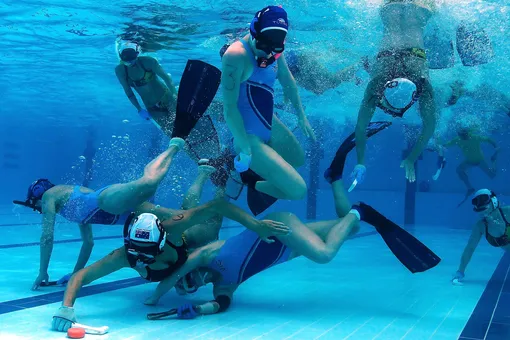
Fusion sports blend traditional African athletics with modern sporting elements, creating hybrid forms appealing to contemporary audiences while maintaining cultural connections. These adaptations recognize that strict preservation may doom traditions to irrelevance, while thoughtful evolution can ensure survival by making traditional sports engaging for modern participants. The fusion approach generates debates about authenticity and cultural integrity, but also demonstrates African creativity in adapting heritage to changing contexts rather than passively watching traditions disappear.
Modernized Rules and Safety
Some fusion sports maintain traditional techniques while implementing modern safety standards and competition rules. Weight classes, timed rounds, medical supervision, and protective equipment adapt combat sports to contemporary safety expectations without fundamentally altering core techniques. These modifications make traditional sports more acceptable to modern audiences, parents, and regulators concerned about participant safety in high-intensity contact sports.
Critics argue safety modifications compromise authenticity, as historical forms included dangerous elements reflecting different cultural attitudes toward risk and injury. However, proponents counter that evolution has always characterized African sports, with current adaptations continuing natural development processes rather than representing unprecedented corruption of pure ancestral forms. This debate about change versus preservation affects all traditional sports navigating tensions between historical accuracy and contemporary relevance, as seen in Dambe boxing and its modern revival.
Integration with Modern Training Methods
Fusion approaches incorporate scientific training methods alongside traditional preparation, using strength conditioning, nutritional planning, and sports psychology alongside cultural practices like spiritual preparation. Athletes combine gym workouts with traditional training environments, video analysis with elder mentorship, and sports science with indigenous knowledge. This integrated training recognizes value in both traditional wisdom and modern science, refusing to privilege either exclusively.
The training fusion creates athletes superior in physical performance to historical practitioners while maintaining cultural continuity in technique and values. Modern wrestlers outperform ancestors in measurable physical capabilities while fighting using traditional styles and maintaining cultural etiquette. This combination demonstrates that tradition and modernity need not conflict, with thoughtful integration producing results exceeding what either approach achieves independently.
Cross-Sport Influences
Some African traditional sports athletes compete in international modern sports, bringing traditional techniques into new contexts. Dambe boxers attempting mixed martial arts careers introduce traditional striking to international fighting sports, while traditional wrestlers compete in Olympic wrestling bringing African techniques to global platforms. These cross-sport applications demonstrate traditional African athletics' technical sophistication and practical effectiveness beyond purely cultural contexts.
Conversely, modern sport influences African traditional athletics, with training methods, nutritional approaches, and organizational models from international sports adapted for traditional African sports. This bidirectional exchange creates dynamic sporting cultures evolving through continuous adaptation rather than remaining static. The exchanges position African sports within global athletic developments while maintaining distinctive cultural characteristics distinguishing them from homogenized international sporting forms.
Media and Presentation Innovation
Fusion sports embrace modern media production techniques, using dramatic lighting, music, commentary, and storytelling enhancing spectator engagement. While traditional sports occurred in simple settings with minimal production, modern iterations create elaborate spectacles appealing to audiences accustomed to high-production entertainment. This presentation evolution markets traditional sports effectively to contemporary audiences while potentially diluting intimate community contexts that characterized historical practice.
Broadcasters use instant replay, statistical analysis, and expert commentary educating audiences about traditional sports' technical nuances. This enhanced presentation makes complex traditional athletics comprehensible to casual viewers, expanding potential audiences beyond core communities deeply familiar with sports' cultural contexts. The accessibility promotes traditional sports while risking oversimplification that might misrepresent cultural depths casual entertainment formats cannot adequately convey.
New Sport Creation
Some innovators create entirely new sports inspired by traditional African athletics but designed specifically for contemporary contexts. These invented traditions combine elements from multiple traditional sports, add modern innovations, and target specific demographic or market niches. While purists object that invented sports lack authentic cultural roots, creators argue they extend African athletic creativity into new forms relevant to contemporary life.
The Maasai Olympics exemplifies innovative adaptation, transforming warrior practices into conservation-oriented athletics. While building on traditional skills, the event represents creative redesign for contemporary purposes rather than pure preservation. This approach demonstrates African agency in cultural adaptation, with communities actively reshaping traditions to serve current needs rather than passively maintaining practices whose original contexts have disappeared.
Debates About Authenticity
Fusion sports generate intense debates about authenticity, with traditionalists arguing modifications betray ancestral practices while progressives contend adaptation ensures survival. These arguments reflect broader tensions about cultural change, with different stakeholders holding varying definitions of authenticity and acceptable evolution. Navigating these debates requires balancing respect for tradition with recognition that cultures naturally evolve, with contemporary Africans entitled to adapt inherited traditions rather than being museum curators of frozen practices.
Perhaps the most productive approach recognizes multiple valid forms existing simultaneously: strictly traditional practices maintained by dedicated purists, fusion sports appealing to broader audiences, and everything between. This pluralistic acceptance allows different approaches serving different needs rather than declaring single correct form everyone must follow. Such flexibility characterized historical African cultures that maintained core values while adapting practices to changing circumstances, suggesting contemporary fusion continues African adaptive cultural traditions rather than betraying them through innovation.