Government Initiatives Supporting Traditional Sports
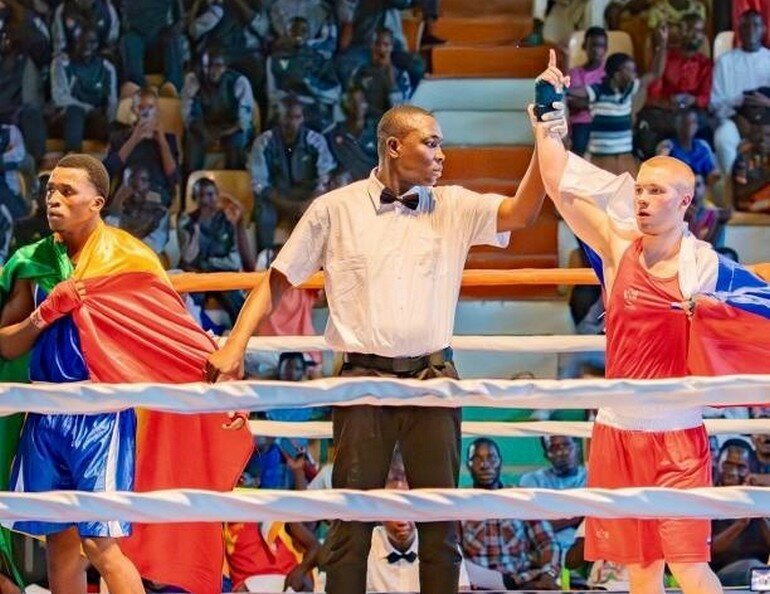
African governments increasingly recognize traditional sports as important cultural heritage deserving official support and preservation. National initiatives include cultural ministry programs, sports federation incorporation, festival funding, and educational integration, creating institutional frameworks sustaining traditional athletics. Government involvement provides stability and resources impossible through community efforts alone, though also raises concerns about bureaucratic interference and potential loss of grassroots control over cultural practices.
Cultural Heritage Policies
Many African nations have established cultural heritage policies designating traditional sports as protected practices warranting government support. Ministries of culture or sports receive mandates to document, preserve, and promote traditional athletics alongside other heritage practices. These policies create legal and bureaucratic frameworks for systematic preservation efforts, moving traditional sports from informal community practices to officially recognized national heritage.
Senegal's government actively promotes Laamb wrestling as national sport and cultural symbol, providing funding for tournaments, training facilities, and media coverage. This official recognition positions wrestling as source of national pride and tourist attraction, economically justifying preservation investments. Other nations have followed similar approaches, identifying specific traditional sports as signature cultural practices meriting special government attention and resources.
Sports Federation Incorporation
Some governments establish national federations governing traditional sports, creating organizational structures managing competitions, setting standards, and coordinating preservation efforts. Federations provide administrative capacity exceeding what informal community organizations can achieve, enabling systematic program implementation across national territories. However, bureaucratization sometimes distances sports from community control, with urban elite administrators making decisions affecting rural practitioners.
Ethiopia's wrestling federation coordinates multiple regional styles under national organizational umbrella, facilitating tournaments and international exchanges. The federation standardizes some rules while respecting regional variations, attempting to balance unity and diversity. Similar federations in Nigeria, Kenya, and other nations create infrastructure supporting traditional sports development, though effectiveness varies depending on resources, leadership quality, and community engagement levels.
Funding and Resource Allocation
Government financial support enables traditional sports programs impossible through community resources alone. Funding builds training facilities, purchases equipment, pays coaches and administrators, and subsidizes tournament organization. This financial injection professionalizes traditional sports sectors, creating career opportunities and raising athletic standards through improved training conditions.
However, government funding often remains inadequate relative to needs, with traditional sports receiving far less support than football and other popular modern sports. Cultural ministries typically operate with small budgets, limiting their capacity for comprehensive traditional sports support. Competition for limited resources among various heritage practices means traditional sports must advocate for funding against other cultural priorities including museums, archaeological sites, and performing arts programs.
Educational Integration
Government education policies increasingly mandate traditional sports inclusion in school physical education curricula, ensuring youth exposure to cultural athletics. National education ministries develop teaching materials, train physical education teachers in traditional sports instruction, and establish school competition structures. This systematic educational integration reaches youth at scale impossible through informal community programs, as discussed in educational integration initiatives.
Some nations require traditional sports as examination components, creating academic incentives for student engagement. When traditional sports knowledge contributes to educational credentials, students and families take learning seriously rather than viewing it as optional cultural enrichment. This examination integration demonstrates government commitment elevating traditional sports to status equivalent with other curriculum subjects deserving systematic instruction and assessment.
International Representation
Governments represent traditional sports in international forums including African Union cultural programs, UNESCO heritage nominations, and bilateral cultural exchanges. Official representation provides resources and diplomatic support for international recognition beyond what community organizations could achieve independently. Government involvement elevates traditional sports from local customs to matters of national and international significance.
National delegations at international festivals promote their traditional sports as cultural ambassadors, enhancing national prestige while exposing other nations to their athletic heritage. These exchanges facilitate knowledge sharing and collaborative preservation efforts across borders, as seen in pan-African festivals. Government coordination of international participation creates opportunities exceeding what individual athletes or communities could access independently.
Challenges in Government Involvement
Government involvement sometimes creates tensions with communities maintaining traditional sports through grassroots efforts. Bureaucratic requirements, political interference, and urban elite dominance of official programs can alienate traditional practitioners who resent external control over their cultural practices. Successful government initiatives require genuine community consultation ensuring programs serve practitioners' interests rather than imposing bureaucratic agendas divorced from lived cultural realities.
Political instability and policy changes threaten program continuity, as government priorities shift with electoral cycles and leadership changes. Programs established under one administration may lose support when new governments with different priorities assume power. This instability makes long-term planning difficult, potentially undermining preservation efforts requiring sustained commitment across decades rather than short-term projects subject to political whims. Building bipartisan consensus around traditional sports as non-partisan national heritage helps insulate programs from political instability affecting other government activities.