Youth Tournaments: Engaging New Generations
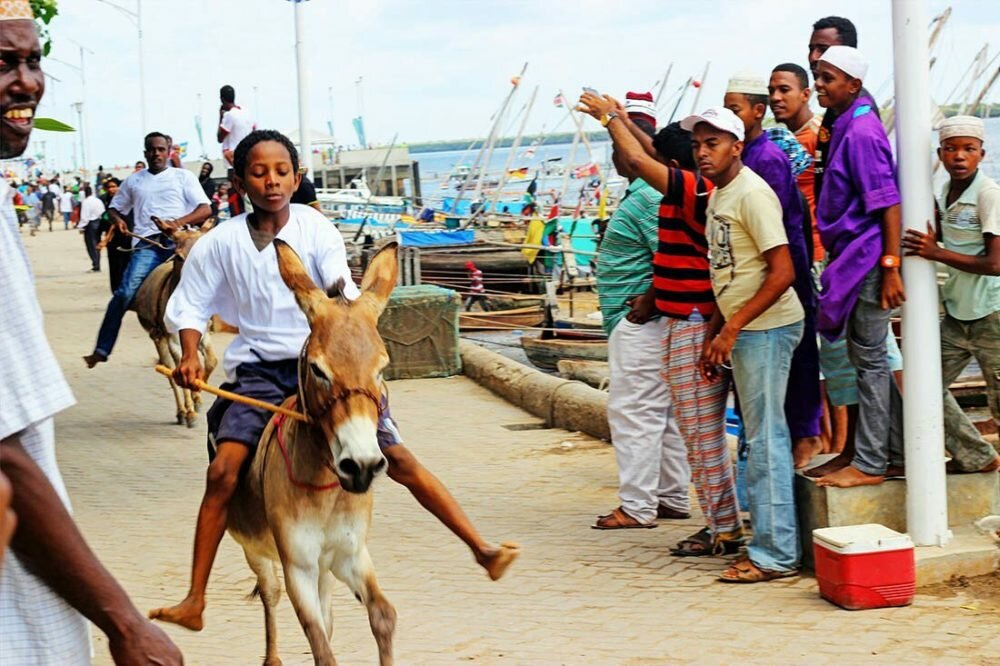
Youth tournaments introduce children and teenagers to traditional African sports, creating pathways for cultural transmission to younger generations. These programs recognize that sustaining traditional athletics requires engaging youth who face competing attractions from modern entertainment including football, video games, and social media. By making traditional sports accessible, exciting, and relevant to contemporary youth, tournaments build new generations of practitioners committed to continuing ancestral athletic traditions.
School-Based Programs
Many African nations integrate traditional sports into physical education curricula, exposing students to cultural athletics alongside imported sports. Schools organize inter-class and inter-school competitions in wrestling, board games, and other traditional sports, creating competitive structures motivating student participation. These programs introduce traditional sports as legitimate athletics deserving serious engagement rather than obsolete practices irrelevant to modern life.
Educational integration provides advantages including supervised instruction from trained teachers, regular practice schedules within school hours, and peer participation making sports socially acceptable among youth. Students who might never encounter traditional sports in urbanized home environments learn them at school, preventing complete cultural disconnection from ancestral traditions. The approach mirrors educational initiatives using traditional games for teaching broader lessons about African heritage and identity.
Age-Graded Competition Structure
Youth tournaments typically feature age categories ensuring fair competition between similarly developed athletes. Under-12, under-15, and under-18 divisions allow progression through increasingly competitive levels as young athletes mature. This graduated structure provides achievable goals appropriate to different developmental stages, maintaining engagement through childhood and adolescence as interests and abilities evolve.
Age-graded competitions also create clear pathways from youth participation to adult elite athletics. Successful youth competitors gain recognition from scouts and coaches identifying future champions, with promising athletes sometimes receiving scholarships or training support facilitating continued development. These talent identification systems mirror those in mainstream sports, positioning traditional athletics as viable career paths rather than mere hobbies or cultural obligations.
Community Youth Clubs
Beyond schools, community organizations establish youth clubs teaching traditional sports in neighborhood settings. These clubs provide after-school and weekend programs where children learn from experienced practitioners in their communities. The informal club environment often preserves more traditional teaching methods compared to formal school instruction, maintaining authentic cultural transmission while adapting to contemporary youth interests and schedules.
Youth clubs sometimes receive support from professional athletes who return to home communities sharing knowledge and inspiring young people. These mentorship connections between elite athletes and youth create role models demonstrating that traditional sports offer legitimate athletic careers. The personal connections between mentors and students strengthen compared to distant celebrity athletes, making professional success seem achievable rather than impossibly remote as discussed in professional wrestling development.
Adapting to Youth Preferences
Successful youth programs adapt traditional sports to contemporary youth culture without entirely abandoning authentic practices. Incorporating music popular with young people, using modern equipment alongside traditional materials, and emphasizing fun alongside competition makes traditional sports appealing to generations raised with different entertainment expectations. These adaptations require careful balance between maintaining cultural authenticity and ensuring youth find participation enjoyable rather than burdensome cultural obligations.
Digital engagement through social media showcasing youth athletes, mobile apps teaching board games, and video tutorials demonstrating techniques helps traditional sports reach youth through their preferred media channels. These technology integrations position traditional sports as modern, relevant practices rather than obsolete traditions, combating perceptions that African heritage consists solely of past practices disconnected from contemporary life. The digital approaches complement physical programs, reinforcing lessons and maintaining engagement between training sessions.
Challenges and Barriers
Youth engagement faces obstacles including limited funding for programs, competition from popular modern sports, and urbanization separating young people from rural contexts where traditional sports historically occurred. Many families prioritize football or basketball, viewing traditional sports as culturally important but economically less promising than internationally recognized athletics offering potential professional careers abroad.
Gender dynamics also affect youth participation, as many traditional sports historically emphasized male participation with limited female involvement. Contemporary programs increasingly promote female participation, sometimes creating separate girls' competitions and other times encouraging mixed-gender events. Expanding traditional sports to be fully inclusive requires cultural negotiations where programs respect tradition while adapting to contemporary gender equality values increasingly embraced by African youth.
Long-Term Impact
Youth tournaments create foundations for traditional sports sustainability by building participant populations ensuring practices continue into future generations. Young people exposed to traditional athletics develop appreciation for cultural heritage alongside physical skills, potentially transmitting knowledge to their own children even if they don't pursue competitive athletic careers. This cultural impact extends beyond sports, strengthening broader African identity and pride in ancestral achievements.
Successful youth programs demonstrate that traditional sports remain viable in modern contexts when properly supported and adapted. The programs provide models replicable across Africa and African diaspora communities seeking to maintain cultural connections through athletic traditions. By proving traditional sports can engage contemporary youth, these initiatives challenge assumptions that modernization inevitably requires abandoning African heritage in favor of globalized culture, as explored in fusion sports developments.