Trade Routes and Cultural Exchange in Sports
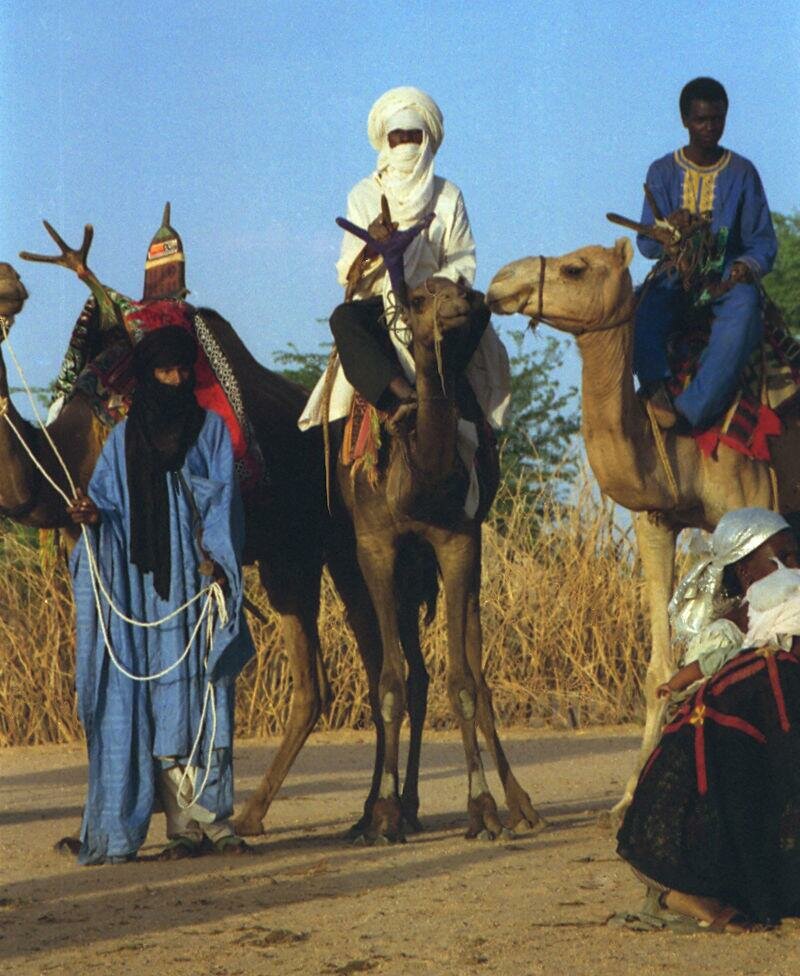
African trade networks facilitated not just commercial exchange but also cultural diffusion including athletic traditions. Merchants, travelers, and migrants carried sporting practices across vast distances, introducing new games and martial arts to distant communities. These exchanges created pan-African sporting traditions while allowing local adaptation, producing both continental similarities and regional diversity in traditional athletics. Understanding sports diffusion through trade routes reveals Africa's interconnected history and challenges notions of isolated, static African cultures.
Trans-Saharan Routes
Trade routes crossing the Sahara Desert connected North Africa with West African kingdoms, creating pathways for cultural exchange including sports traditions. Merchants traveling between Mediterranean ports and Sahel trading cities like Timbuktu spent months together, sharing entertainment including board games and athletic contests. This prolonged contact enabled detailed transmission of game rules and sporting techniques between culturally distinct regions.
Mancala games likely spread along these routes, with variants found throughout North and West Africa showing common origins despite local modifications. Wrestling traditions also show patterns suggesting trans-Saharan transmission, with Berber wrestling styles sharing techniques with Sahel wrestling despite environmental and cultural differences. These similarities indicate more than coincidence, pointing to historical cultural exchanges facilitated by commercial networks connecting diverse populations.
East African Coast and Indian Ocean Trade
The Swahili coast's participation in Indian Ocean trade networks brought African sports into contact with Asian and Arab traditions. While less documented than trans-Saharan exchange, coastal trade certainly facilitated cultural mixing including possible influences on East African athletic practices. Archaeological evidence of board games at coastal sites suggests merchants entertained themselves with strategic contests during lengthy stays in port cities.
Some scholars speculate whether Ethiopian wrestling traditions show influences from Indian or Persian wrestling brought by traders, though definitive proof remains elusive. Similarities between certain techniques could reflect either historical transmission or convergent evolution where different cultures independently developed similar solutions to common grappling challenges. Distinguishing historical contact from independent invention requires careful analysis beyond simple similarity observation.
Bantu Expansion and Sports Diffusion
The Bantu expansion over several millennia carried Central African cultural practices, including sports, throughout sub-Saharan Africa. As Bantu-speaking populations migrated and settled new territories, they maintained athletic traditions while adapting them to new environments and contact with established populations. This massive demographic movement explains linguistic and cultural similarities across vast African regions, including sporting practices showing common origins despite geographical separation.
Wrestling traditions among Bantu-speaking peoples share fundamental similarities from Central Africa to Southern Africa, suggesting ancestral practices maintained through the expansion. Local variations developed as populations adapted to different environments and absorbed influences from non-Bantu neighbors, creating the diversity of contemporary wrestling styles while preserving core elements indicating shared heritage. This pattern demonstrates how migration and cultural contact shaped African sports development over long historical periods.
Pastoral Migrations
Pastoralist groups moving with their herds across East and Central Africa created exchange networks parallel to sedentary agricultural societies' trade routes. Pastoralists meeting at watering points or seasonal grazing areas shared cultural practices including sports. The similarity of Maasai jumping ceremonies to practices among other Nilotic groups suggests common cultural heritage maintained despite geographical dispersion.
Stick fighting traditions among pastoralist societies show patterns suggesting historical exchanges, with similar techniques found among groups separated by hundreds of kilometers. Whether through common ancestry or later cultural borrowing remains debatable, but the exchanges demonstrate pastoralists' participation in broader cultural networks despite stereotypes portraying them as isolated. Their mobility actually facilitated cultural transmission across regions where sedentary populations had limited contact.
Royal Networks and Athletic Exchange
African kingdoms maintained diplomatic relationships involving gift exchanges, royal visits, and military alliances that facilitated cultural transmission including sports. Warriors traveling between allied kingdoms observed foreign martial arts and brought techniques home, enriching local traditions. Royal courts sometimes hosted visiting athletes who demonstrated their sports, inspiring local adaptations.
The spread of certain wrestling styles between West African kingdoms likely occurred through these elite networks, with royal wrestlers traveling as diplomatic envoys or military advisors. Similarly, board games might have spread among African nobility through courtly gift exchanges, with elaborate game boards serving as diplomatic presents carrying cultural knowledge. These elite channels complemented merchant-facilitated transmission, creating multiple pathways for athletic traditions to spread across African regions.
Contemporary Implications
Understanding historical sports diffusion through trade and migration helps contemporary preservation efforts by revealing connections between seemingly disparate traditions. Recognizing common origins can facilitate cooperation between communities maintaining related sports, sharing knowledge and resources for preservation. This historical awareness also combats cultural appropriation by documenting authentic transmission pathways versus modern misappropriation of African traditions.
Modern initiatives like pan-African traditional sports festivals build on historical patterns of cultural exchange, creating contemporary venues for sharing athletic heritage across national and ethnic boundaries. These events echo ancient trade networks' cultural functions while serving modern goals of African unity and cultural pride. Understanding past exchanges through trade routes provides models for contemporary cultural cooperation promoting African sports heritage on continental and global stages.